
Part 2: Newfoundland Island – Eastern Regions
During our wanderings through Canada’s easternmost province, the island of Newfoundland, we couldn’t miss the opportunity to see puffins, not only because they are the official bird of Newfoundland. But mainly because they are cute, unique, and truly interesting. They are stocky and small, and they walk like clowns. When you see them flying, you worry they will land.
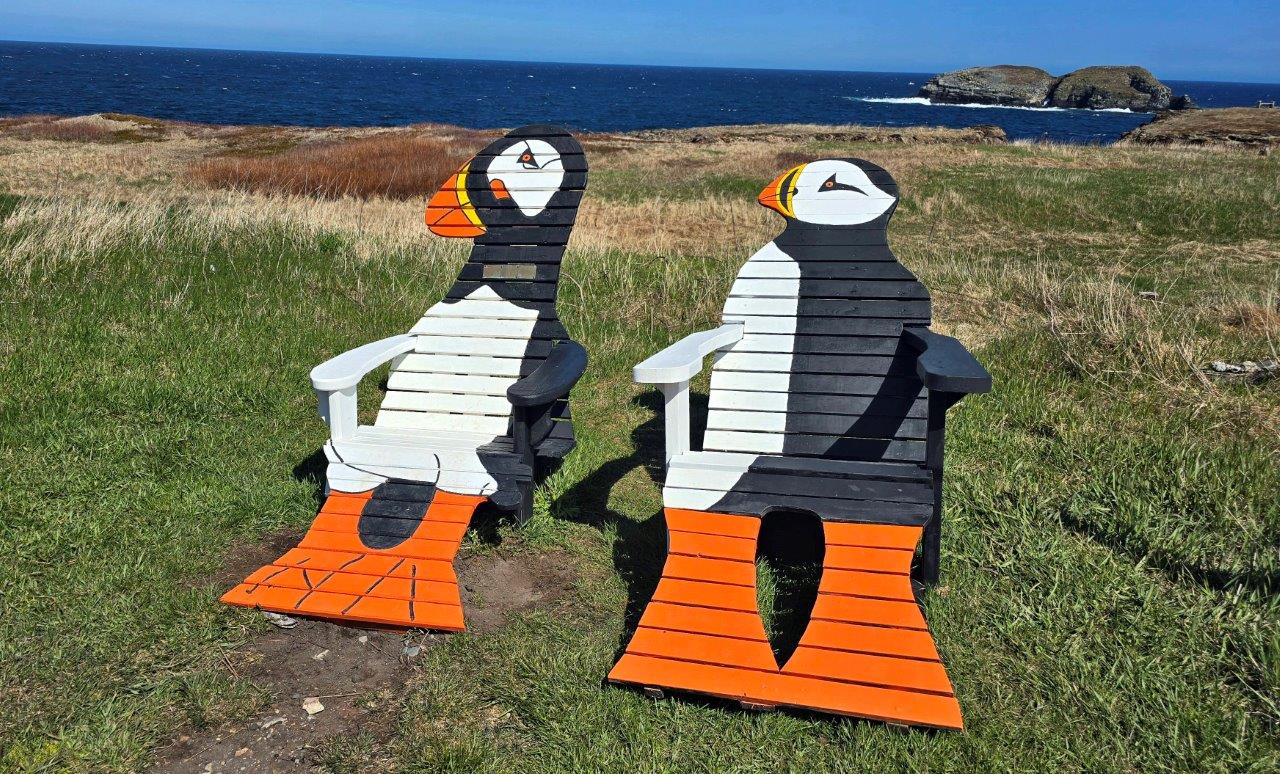
They are migratory seabirds and spend most of their lives alone at sea, where they live, forage, and survive. But in the spring and summer, puffins gather in colonies on the coasts and islands of the North Atlantic Ocean to breed. Puffins dress up nicely for this event. In winter, their beaks are gray, but in spring they turn bright orange. This makes them more photogenic and is how we remember them from various documents. The best time to see puffins in Newfoundland is from mid-May to mid-September. The best time of day to see them is early morning or late afternoon. So it is when they are most active foraging. They also make their summer homes here on rocky islands along the coast, away from potential land predators.
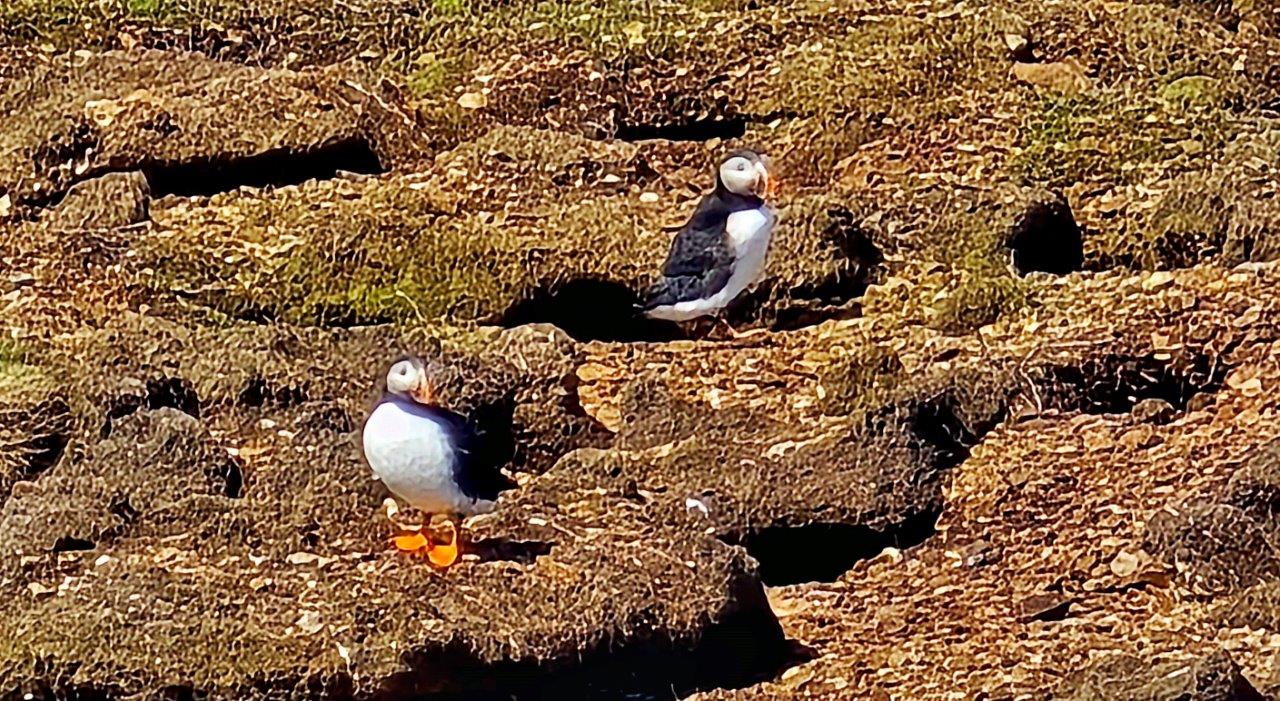
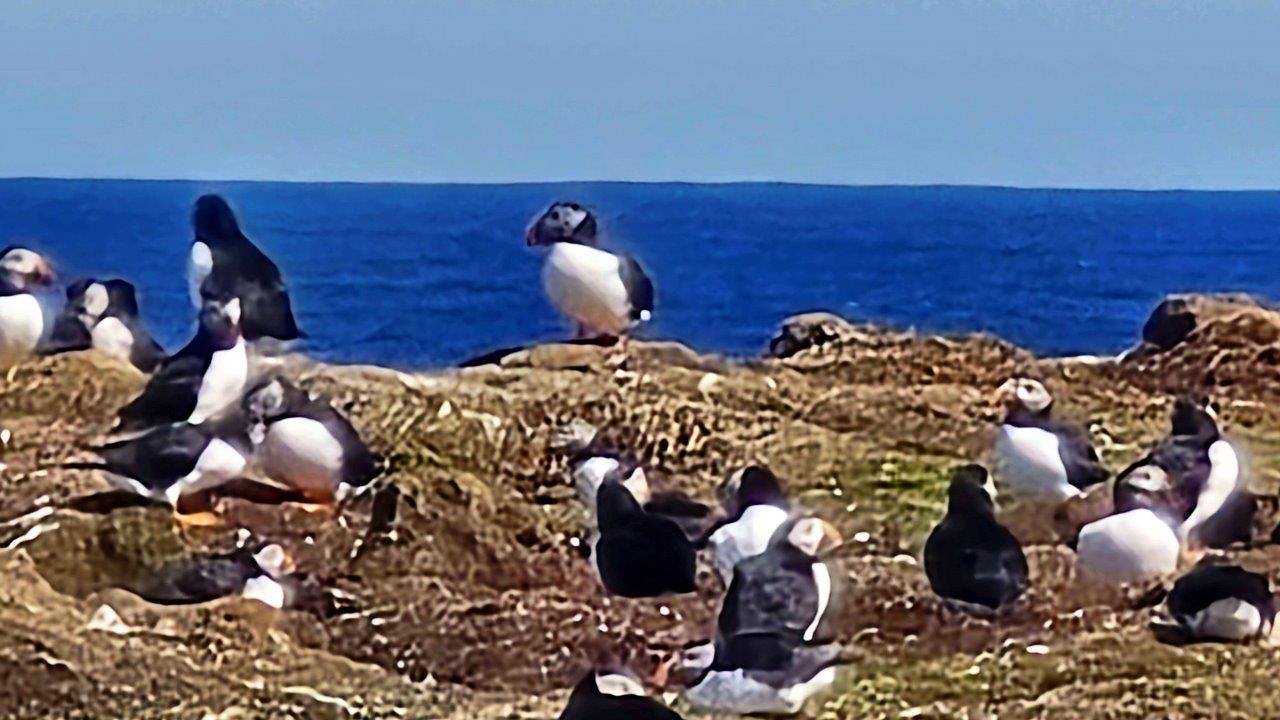
The best places to see puffins in Newfoundland are: Bonavista Peninsula, Witless Bay Ecological Reserve, and Cape St. Mary’s Ecological Reserve. One of the most popular places to see them is Elliston on the Bonavista Peninsula. It is the closest place on land to see puffins nesting on a rocky outcrop. There are usually around 300 pairs here. More photos of the Elliston Site.
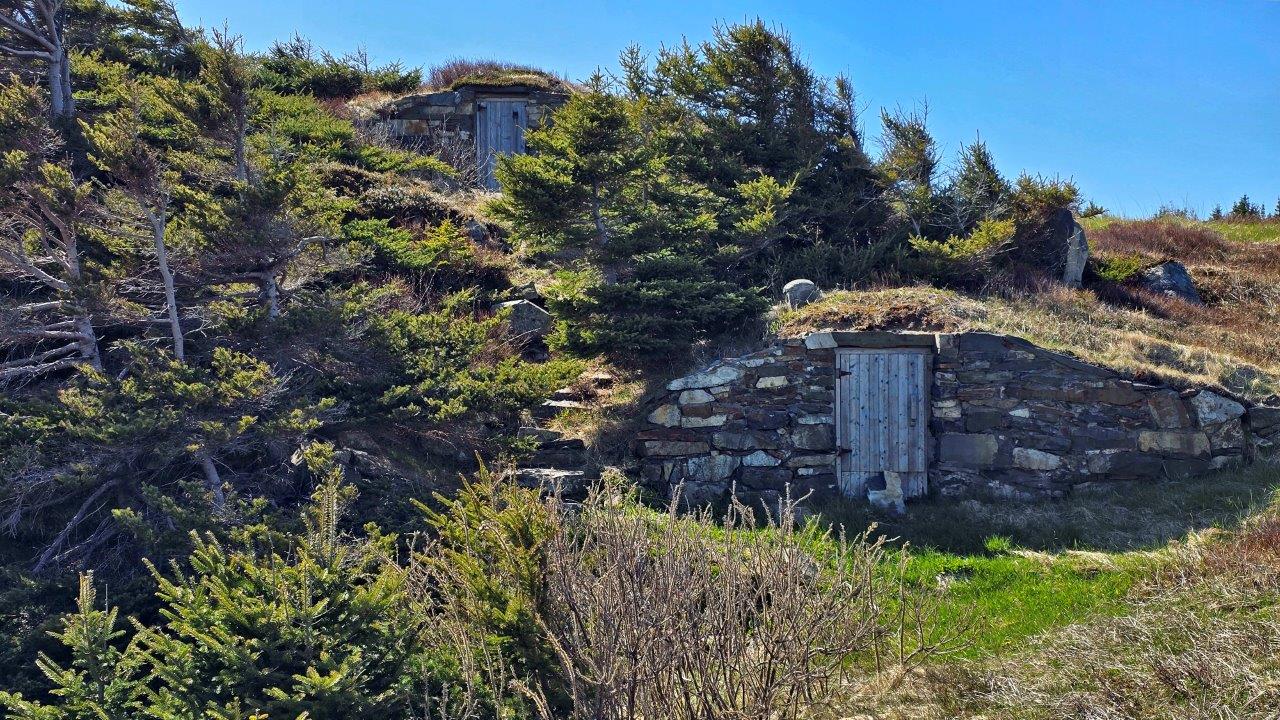
Elliston is also known as the root cellar capital of the world.
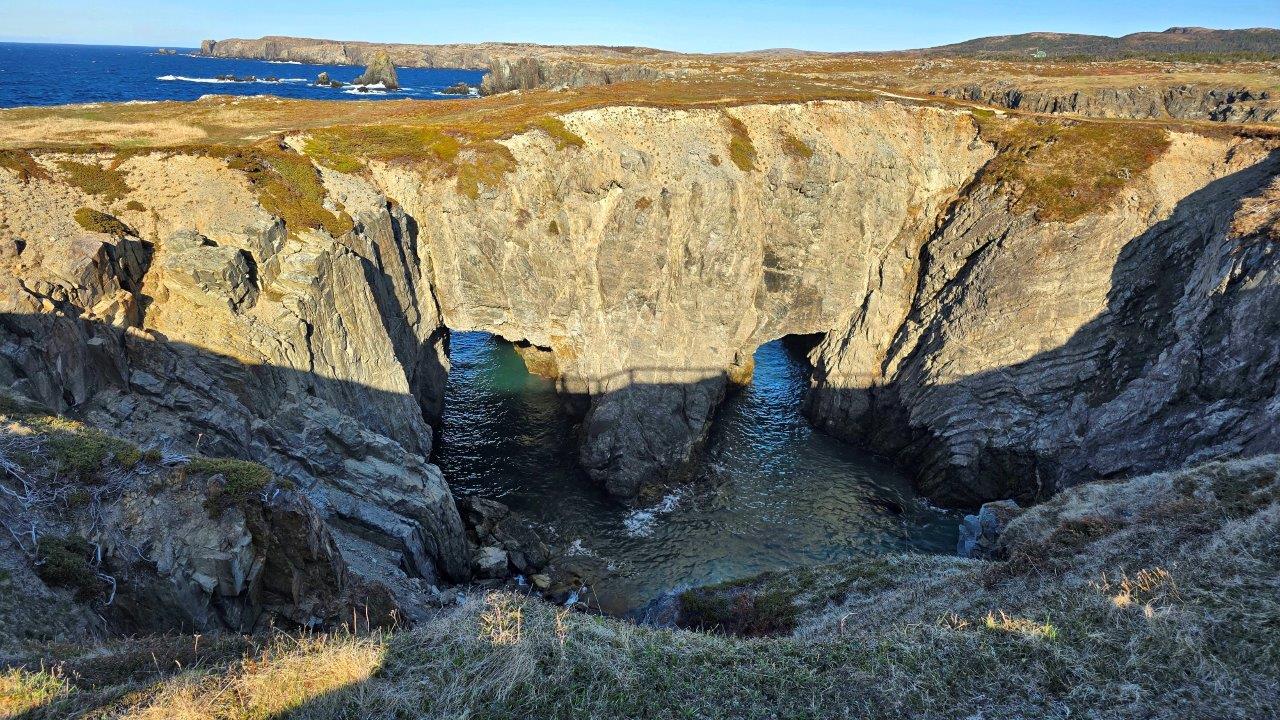
Just a few kilometres from Elliston Lookout is Dungeon Provincial Park, a small coastal area with cliffs and caves. Parking is only available for day use.
The entire Bonavista Peninsula boasts a beautiful coastline, lined with cliffs, escarpments, and underwater caves. And at the very end of the peninsula, there is a lighthouse, around which there is a view of a nearby island with nesting birds, including puffins.
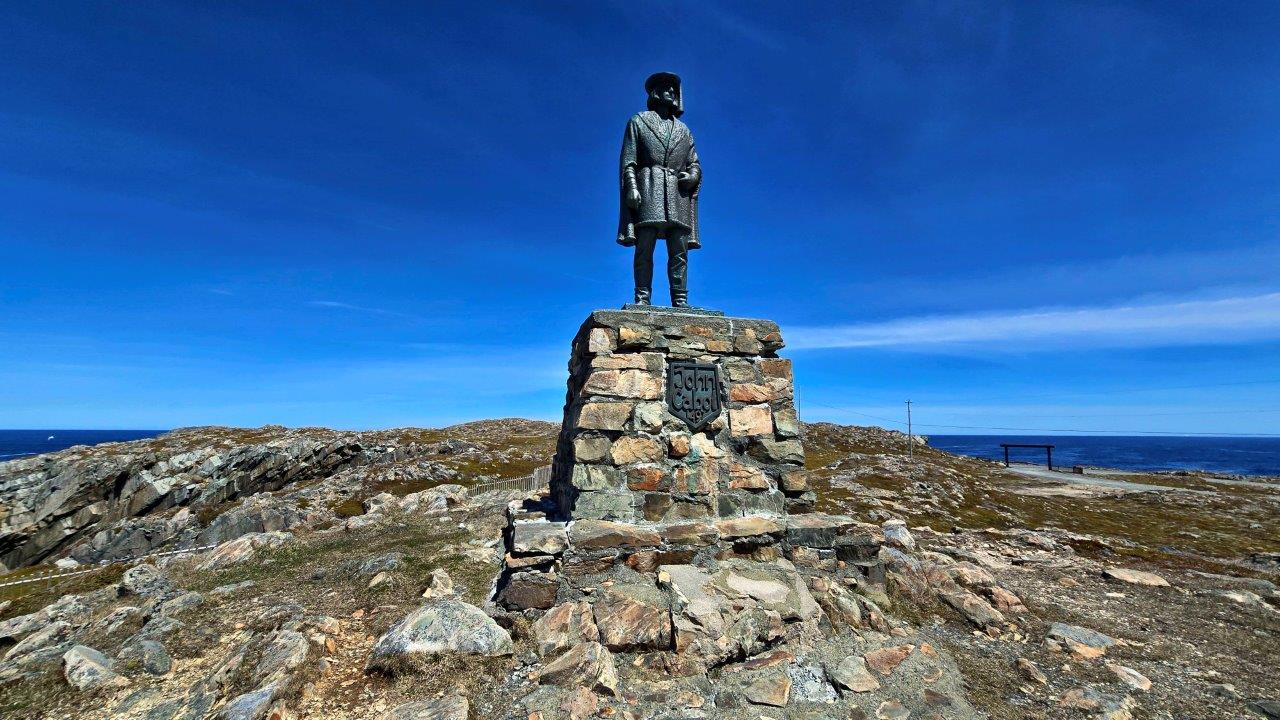
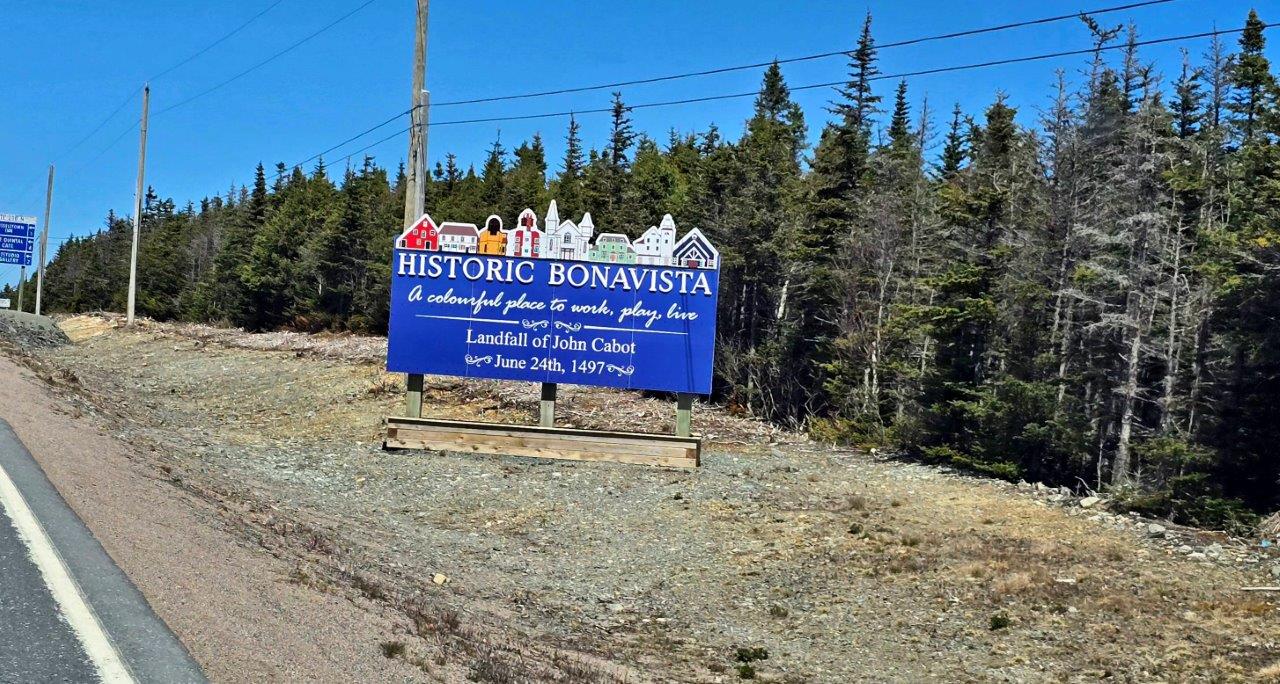
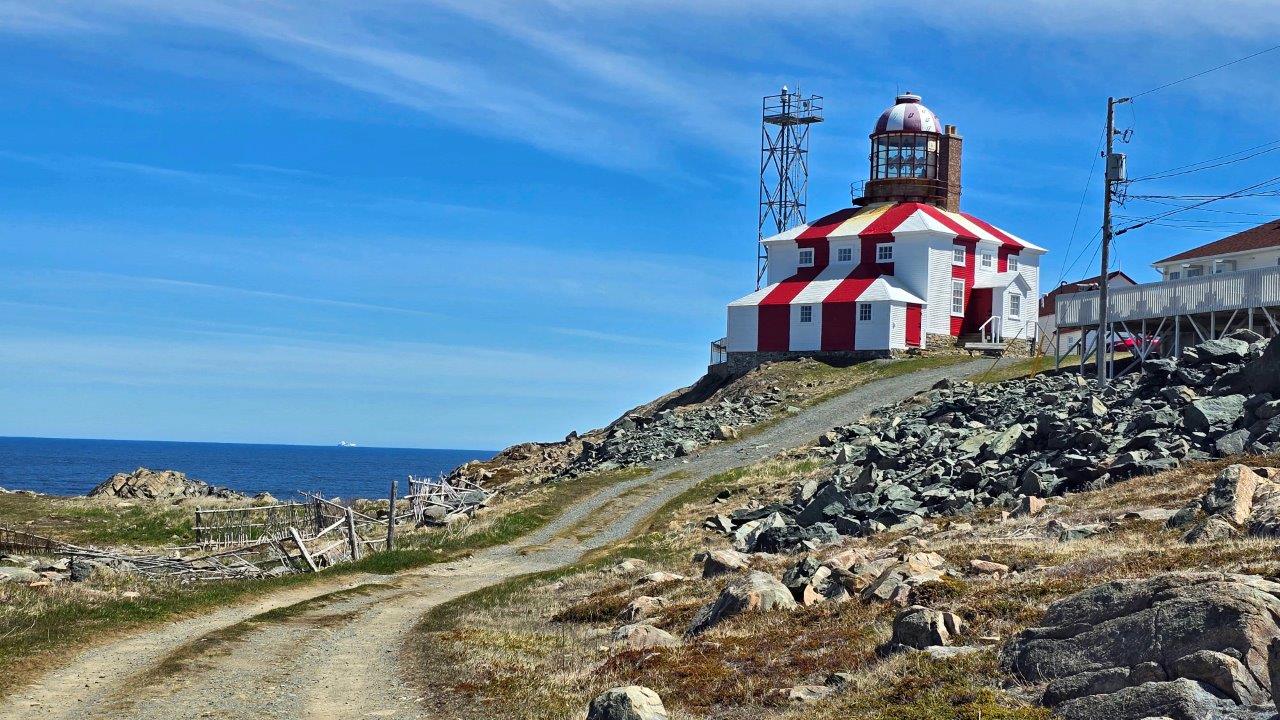
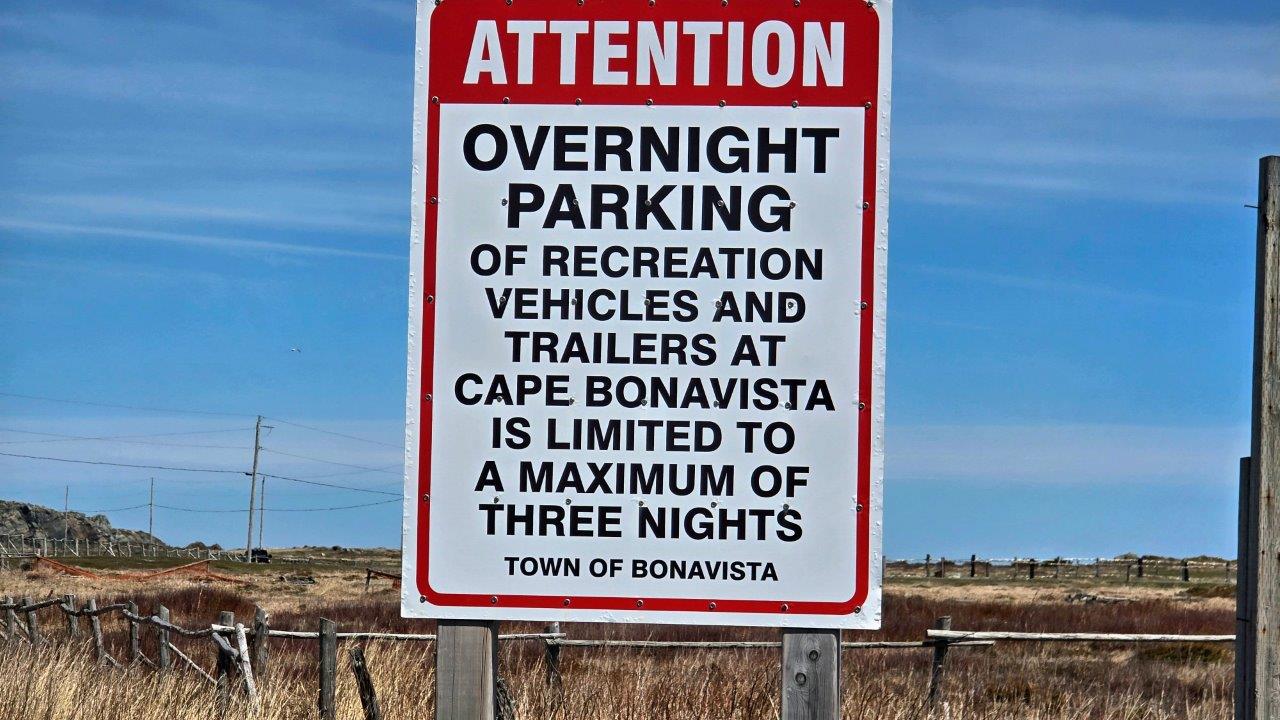
John Cabot was an Italian explorer, contracted by England’s Henry VII to find new lands and a sea route to the Orient. Cabot set sail from Bristol in England in his ship, the Matthew, in 1497. When Cabot first saw land, he reputedly said “O Buon Vista” (“Oh, Happy Sight!”), giving rise to the name of the town and the nearby cape as well.
More photos of Bonavista Lighthouse.
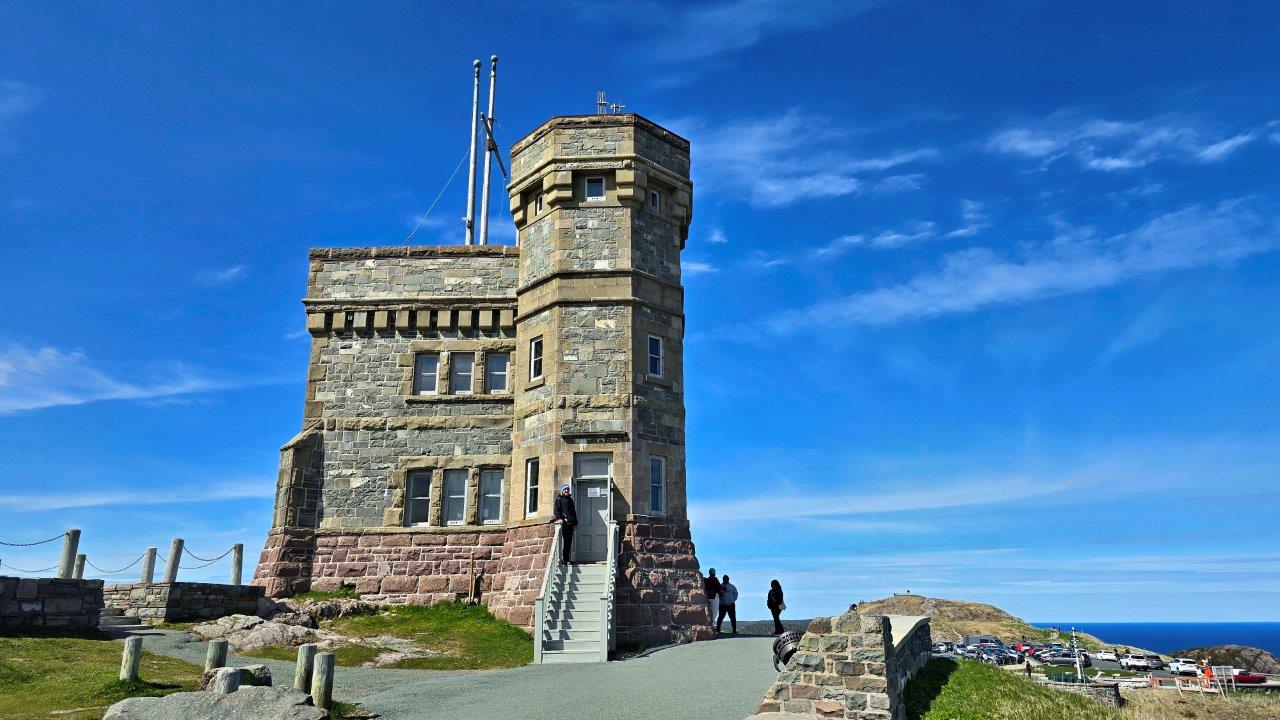
We like places that offer history and knowledge about the place, and at the same time, a hiking trail through beautiful nature. Such a combination is offered by the historical site Signal Hill, above the city of St. John’s, and the North Head trail. From the parking lot at the visitor center, the trail leads up to the Signal Hill citadel, then continues on a circular route to viewpoints, gradually descending to the ocean, over the bay, and back to the streets of the old town, ending at the parking lot. The trail is two-thirds stairs, a small part secured with chains. It is rated as the third most beautiful on the island. The first is Skerwink and the second is Tablelands in Gros Morne National Park. We hiked both. This area was also discovered by John Cabot, whose statue is at the Bonavista lighthouse.
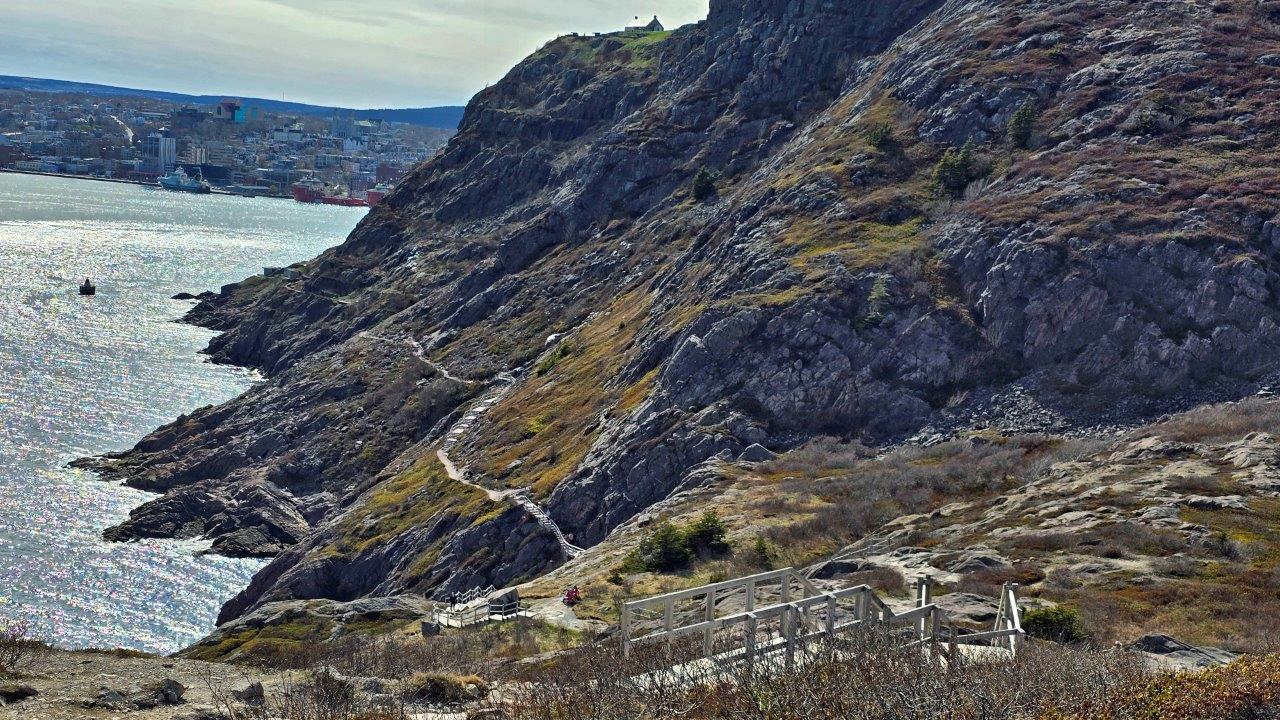
More photos of Signal Hill and North Head Trail.
Among the most beautiful trails on the island of Newfoundland is a relatively short trail to a suspension bridge near the village of La Manche. We couldn’t miss it, especially since the parking lot at the trailhead also offered a quiet place to overnight beforehand.
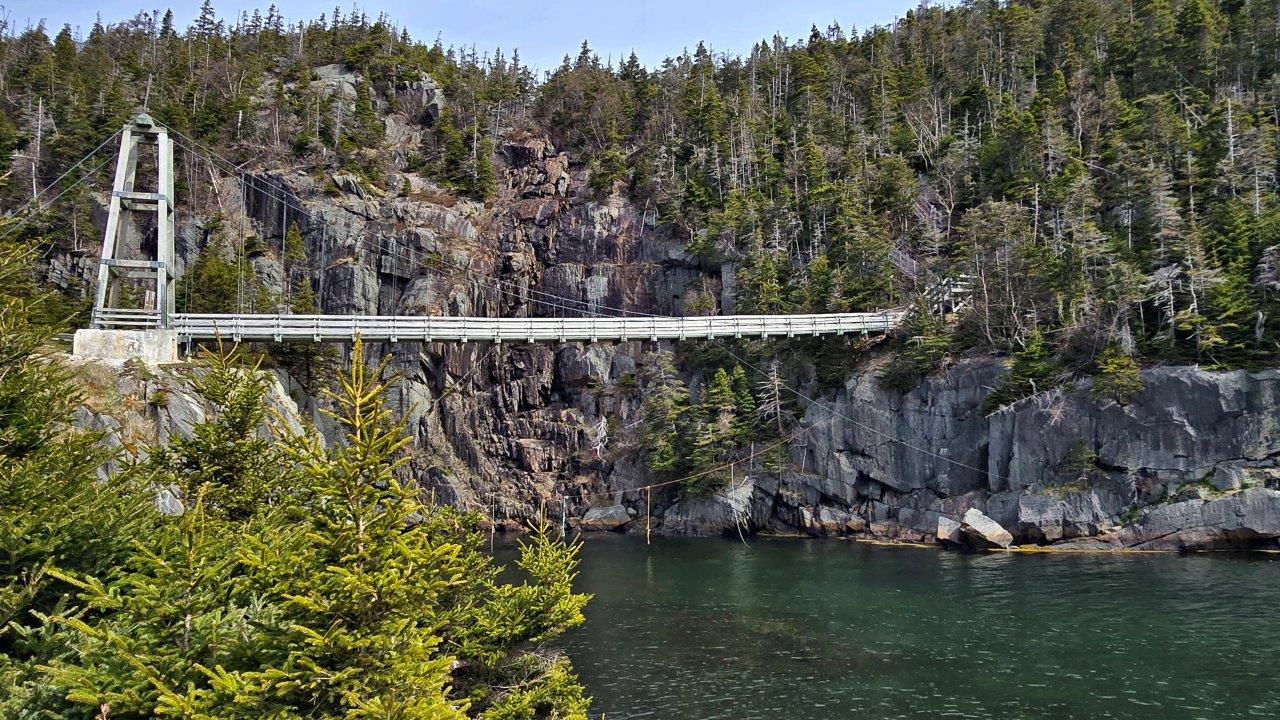
More photos of Suspension Bridge La Mache Trail.
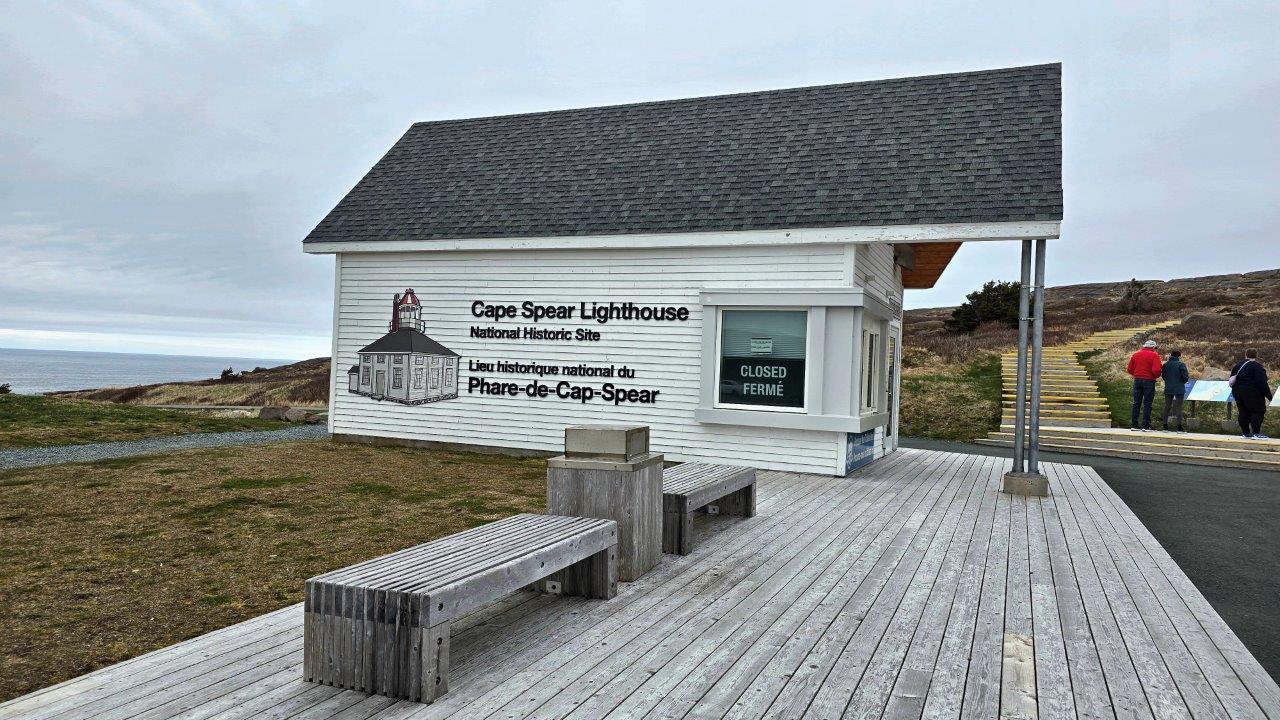
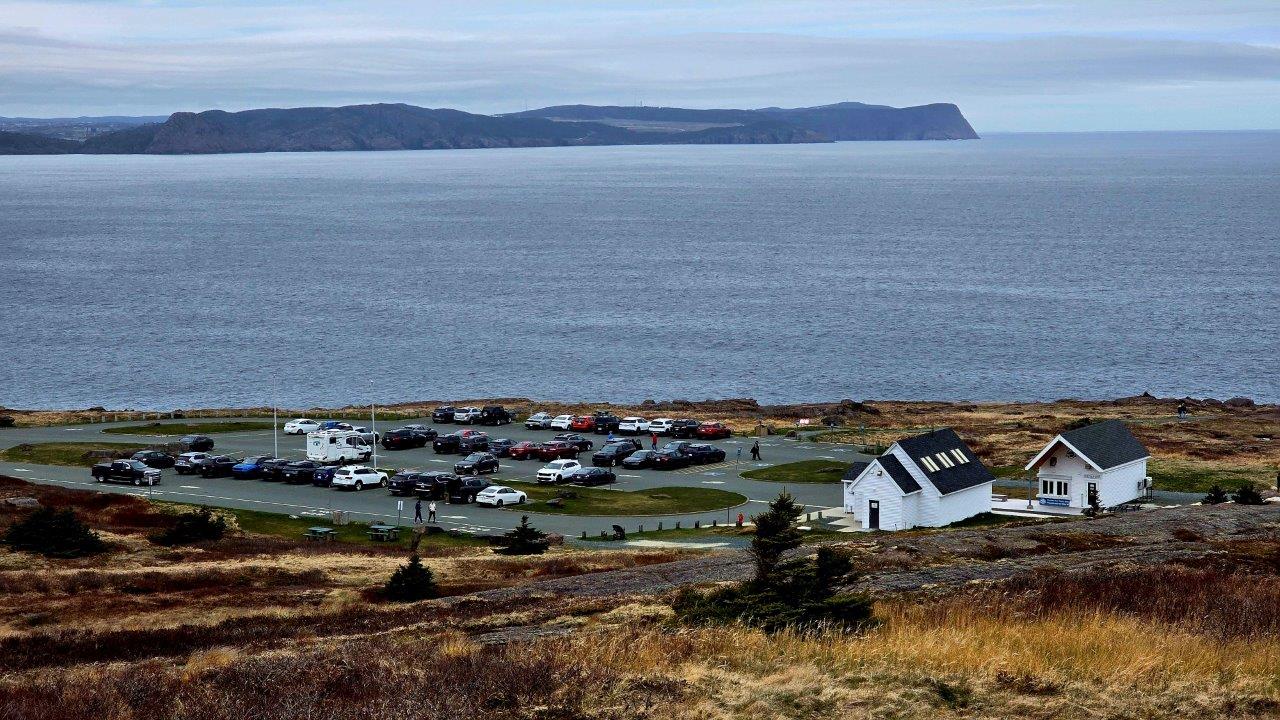
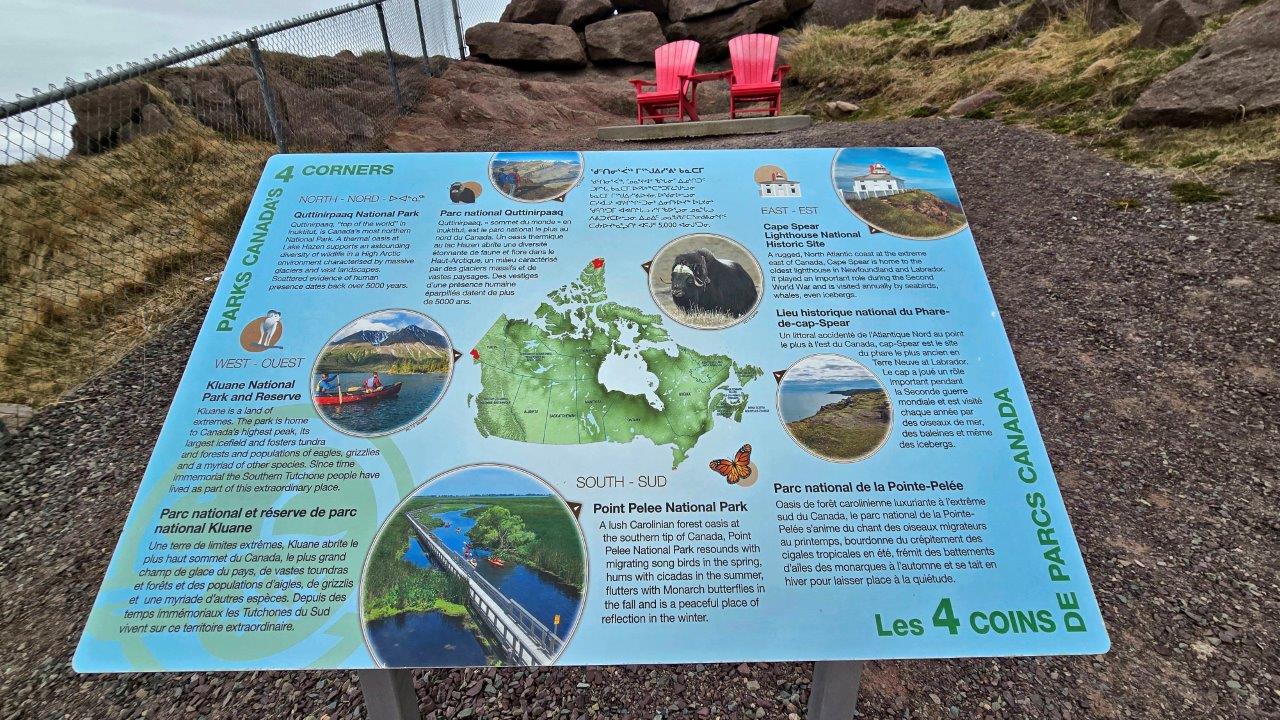
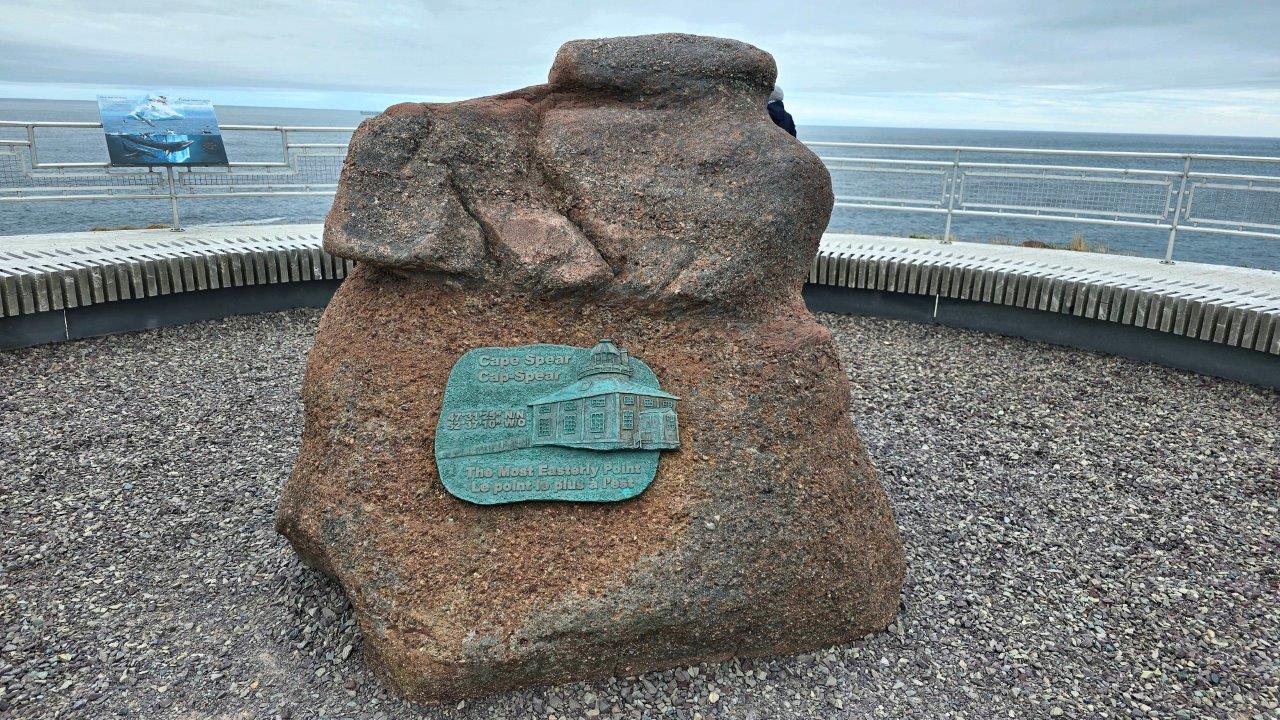
We also couldn’t miss the easternmost point of Canada. It is near the Spear Lighthouse, a historic site administered by the National Parks. On one of the info maps, all four corners of Canada are listed here. This is the easternmost. We dare to visit two more – the westernmost in Kluane National Park, the southernmost in Point Pelee National Park. We have to forgive the northernmost point. There is no road for cars there. Otherwise, the parking lot at the lighthouse is only for daily use. Overnight accommodation is possible at the end of the road in the village of Black Head, 2 km away, where the East Coast Trail begins.
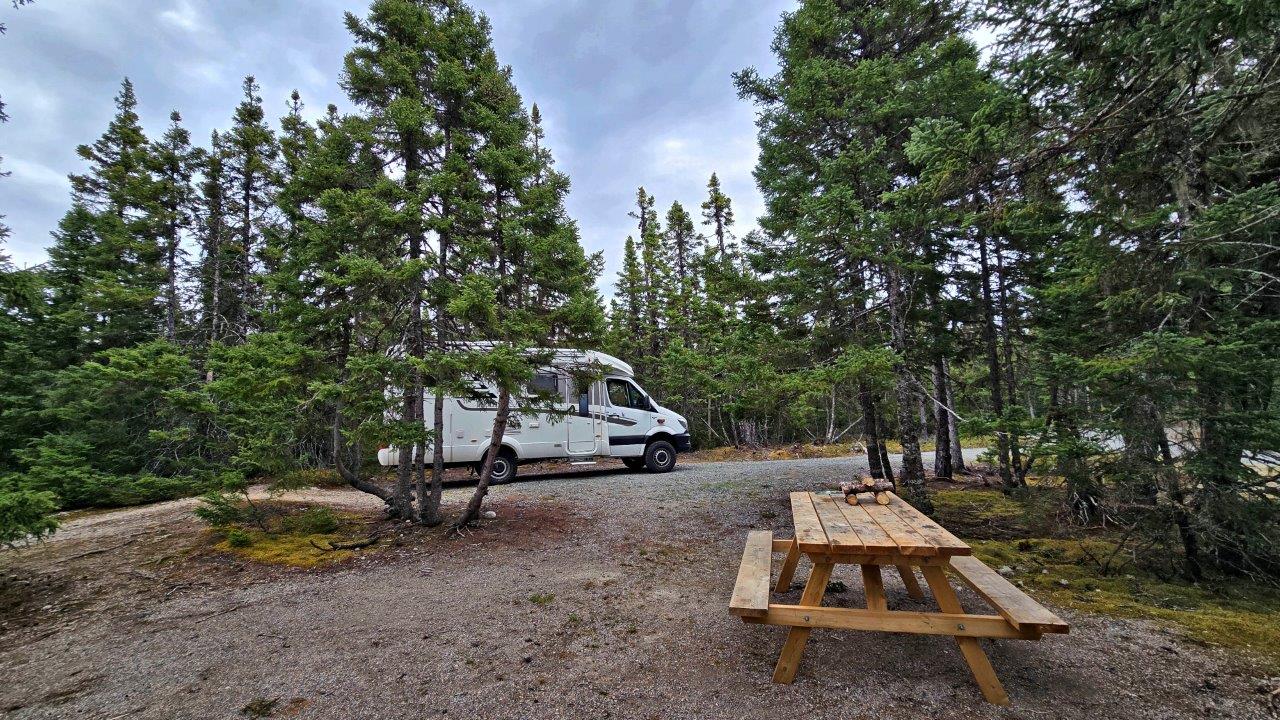
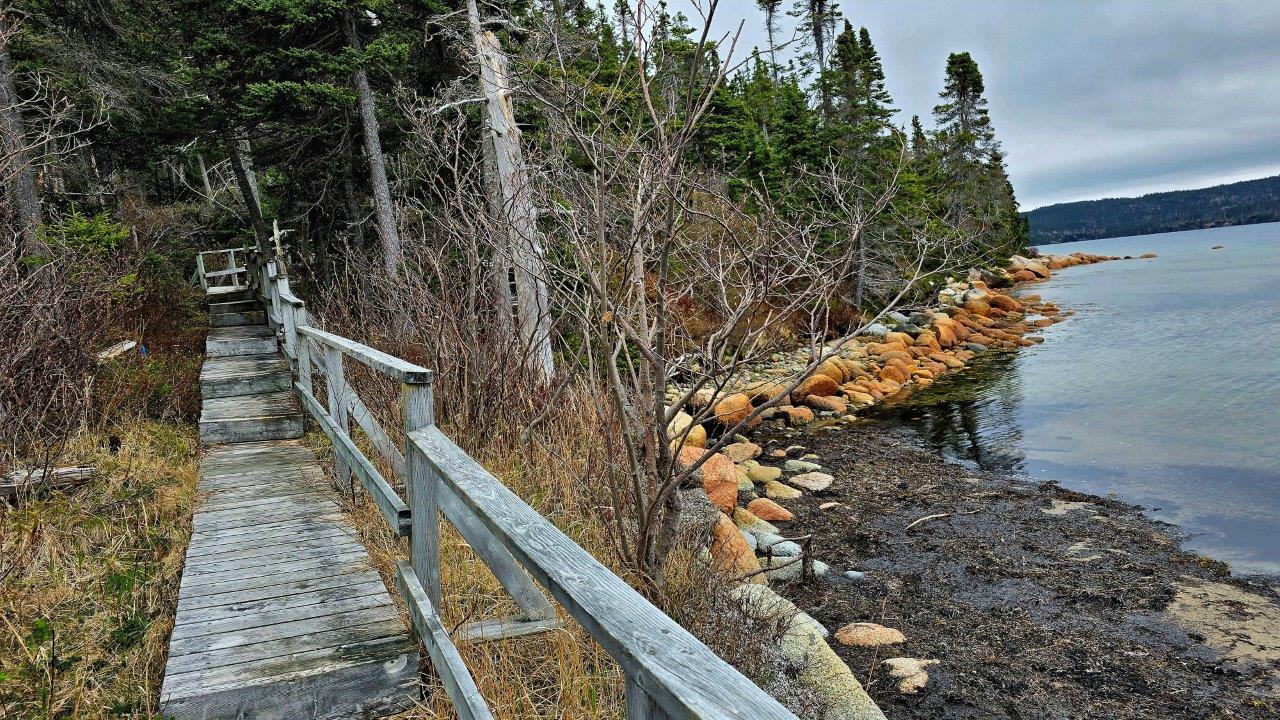
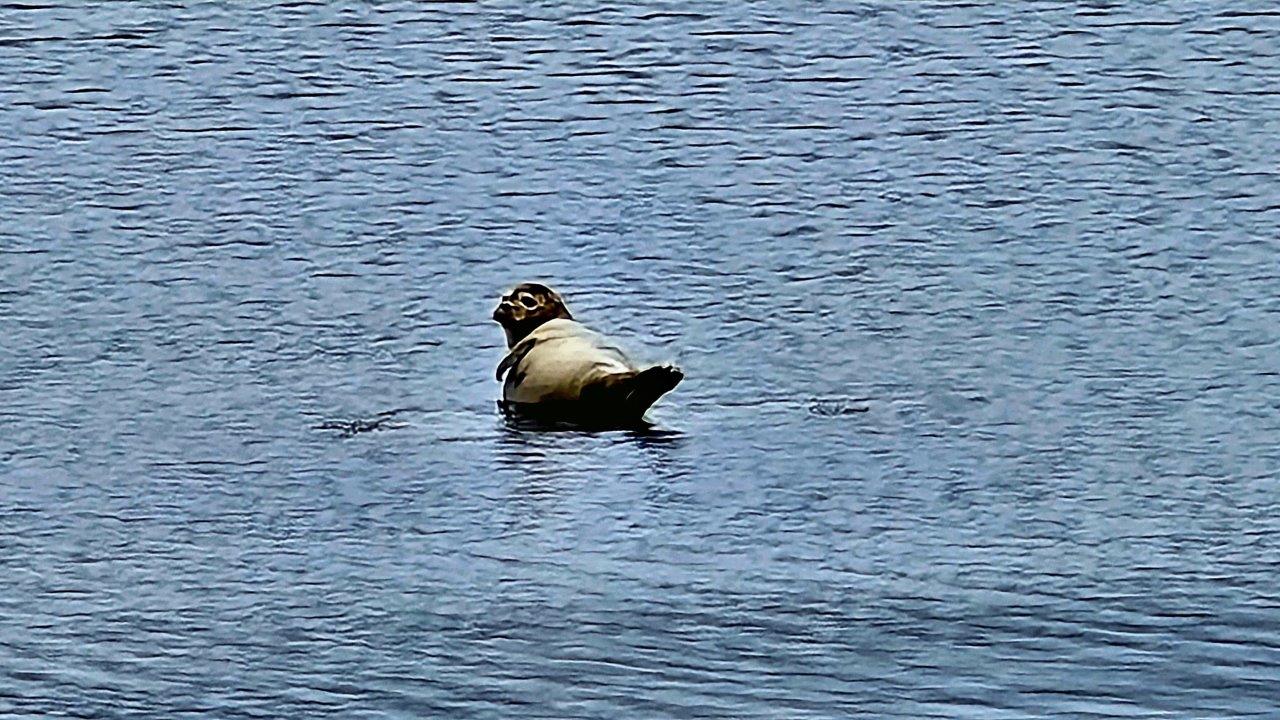
Terra Nova National Park, in the eastern part of the island of Newfoundland, offered camping at its two campgrounds, including Newman Sound Campground. The campground was pleasant in every way, situated in the forest and at the same time on the shore of the bay. It offered us everything we needed – a quiet place, water, and a dumping station. The next day, we went to the visitor center. It happened to be one of the two days when it is closed (Tuesday, Wednesday), which we were sorry about, but at the same time, it did not prevent us from walking one of the trails starting at the center. It was called Goowiddy Path. Similar to the campsite – pleasant, with views of the bay.
The following days, the weather finally allowed us to return to Gros Morne National Park. We first went to see the beginning of the Tablelands Trail, but since overnight stays are not allowed in the park, we moved a little beyond the park boundaries to the small village of Birchy Head, where we enjoyed a quiet night and looked forward to the next day.
May 2025