
Part 1: Newfoundland Island – Southwestern and Northeastern Regions.
The ferry ride from North Sydney, Nova Scotia, to Newfoundland took 7 hours. The cruise was pleasant, and so was the ship named Midland. But such transfers are not pleasant for our two cats, who stay in the car and therefore in the underdeck, and the noise is bothersome. That’s why we were very happy to see the island’s coast. We were also very pleased with the first kilometer on its territory.

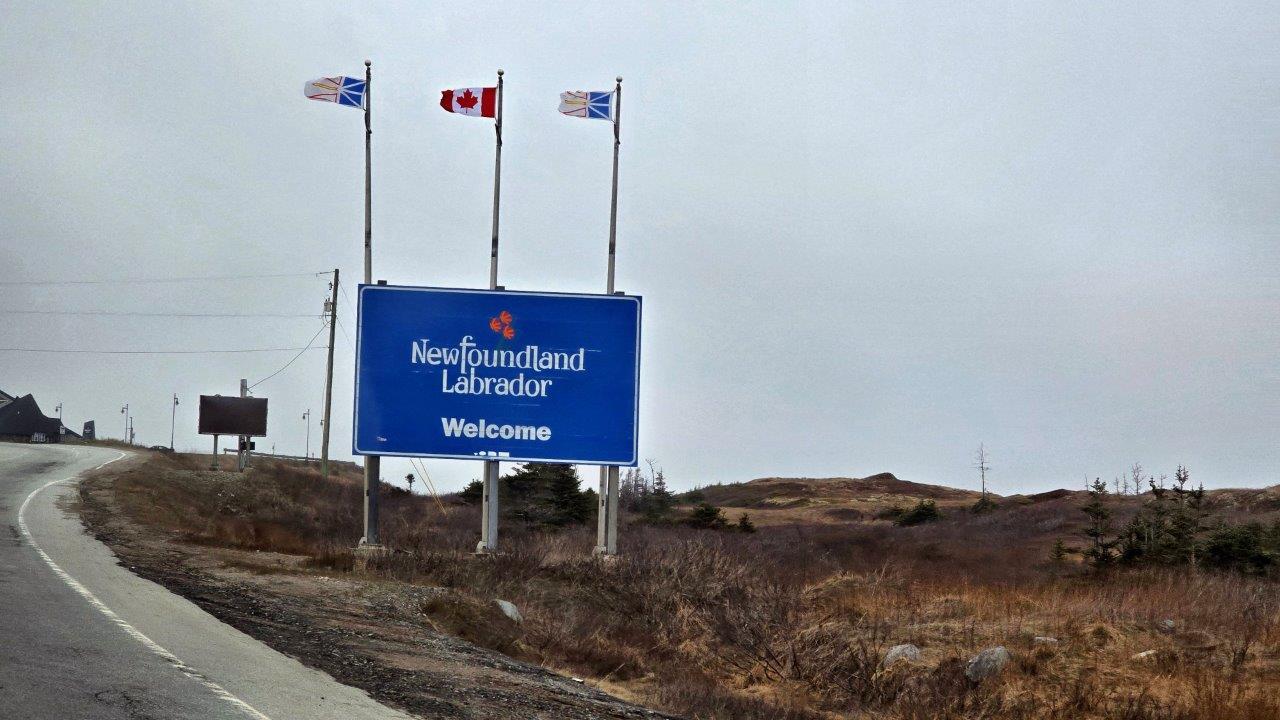
“We are on the island of Newfoundland! It is 7 degrees outside, cloudy, but we are incredibly excited. These are our first kilometers on the island”! …After the first few kilometers we were heading to the dump station, then to the place where we would spend the first night on the island.
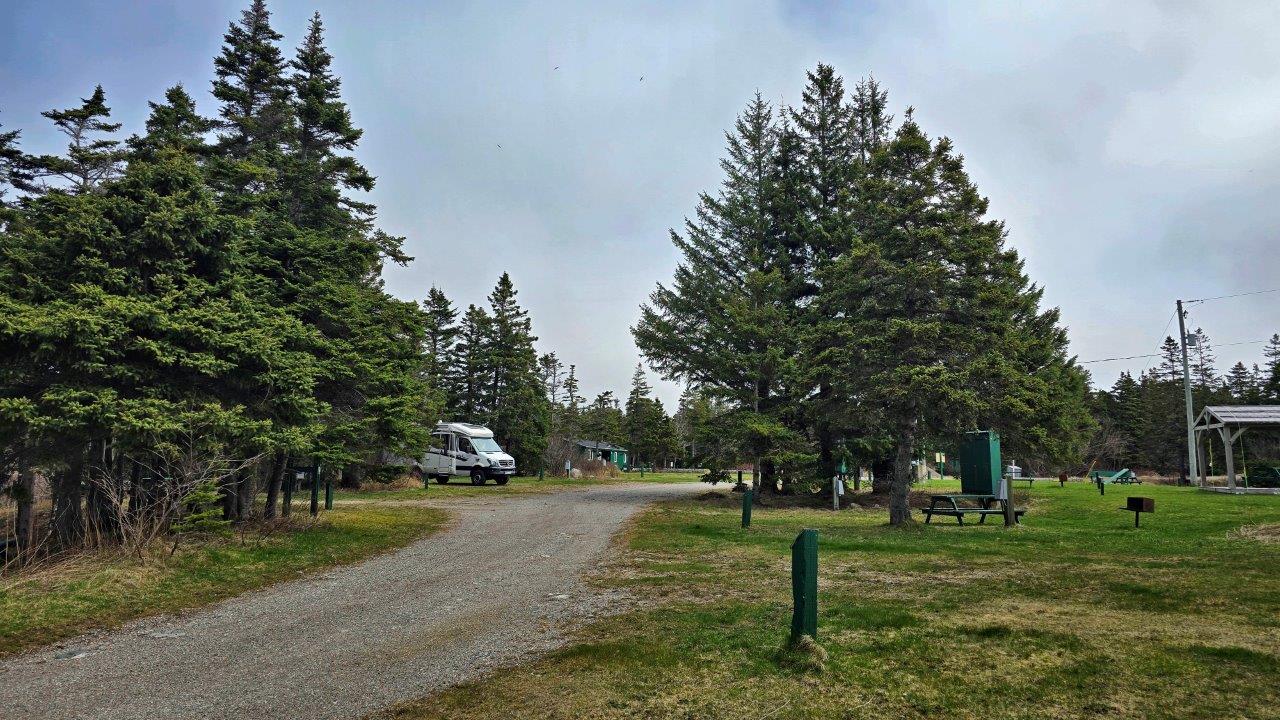
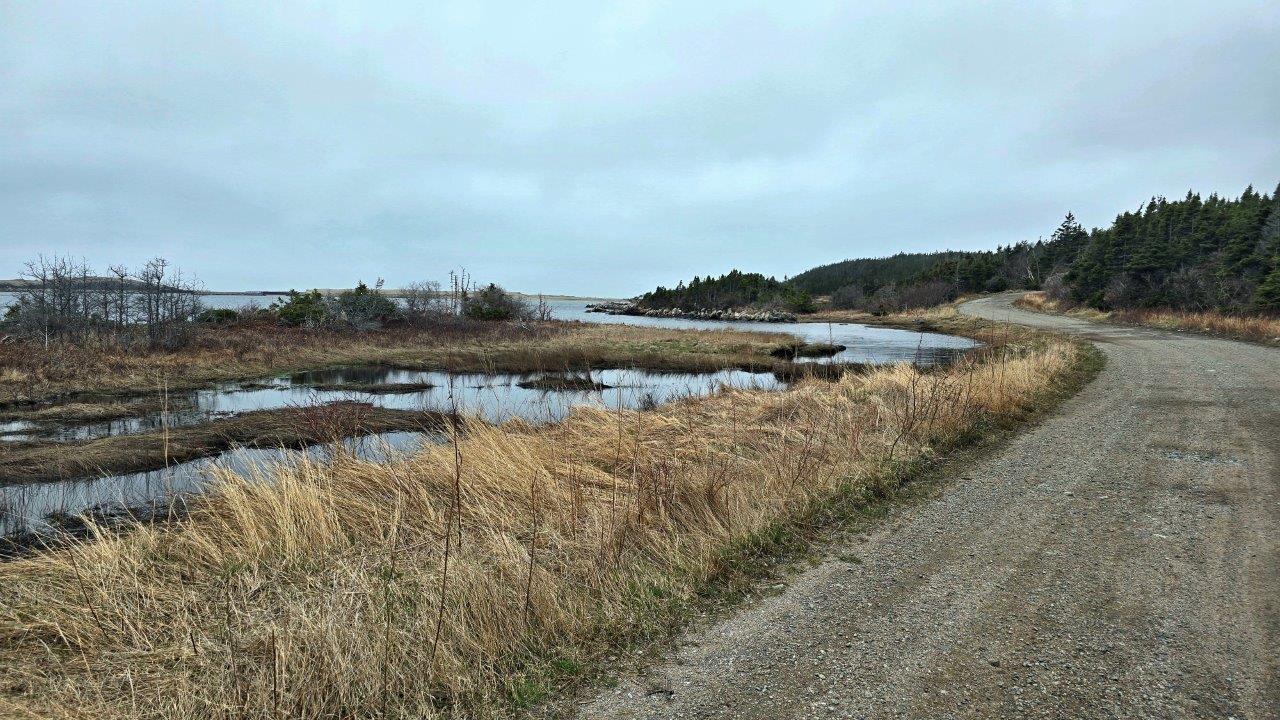
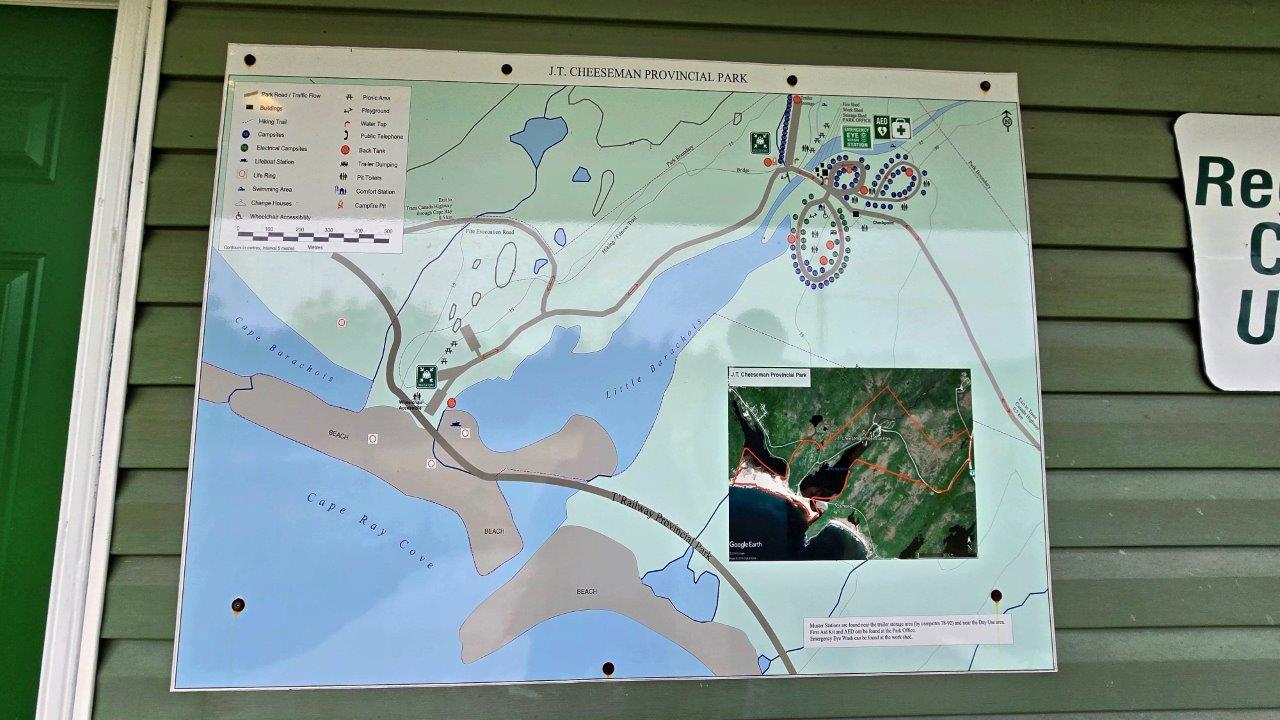
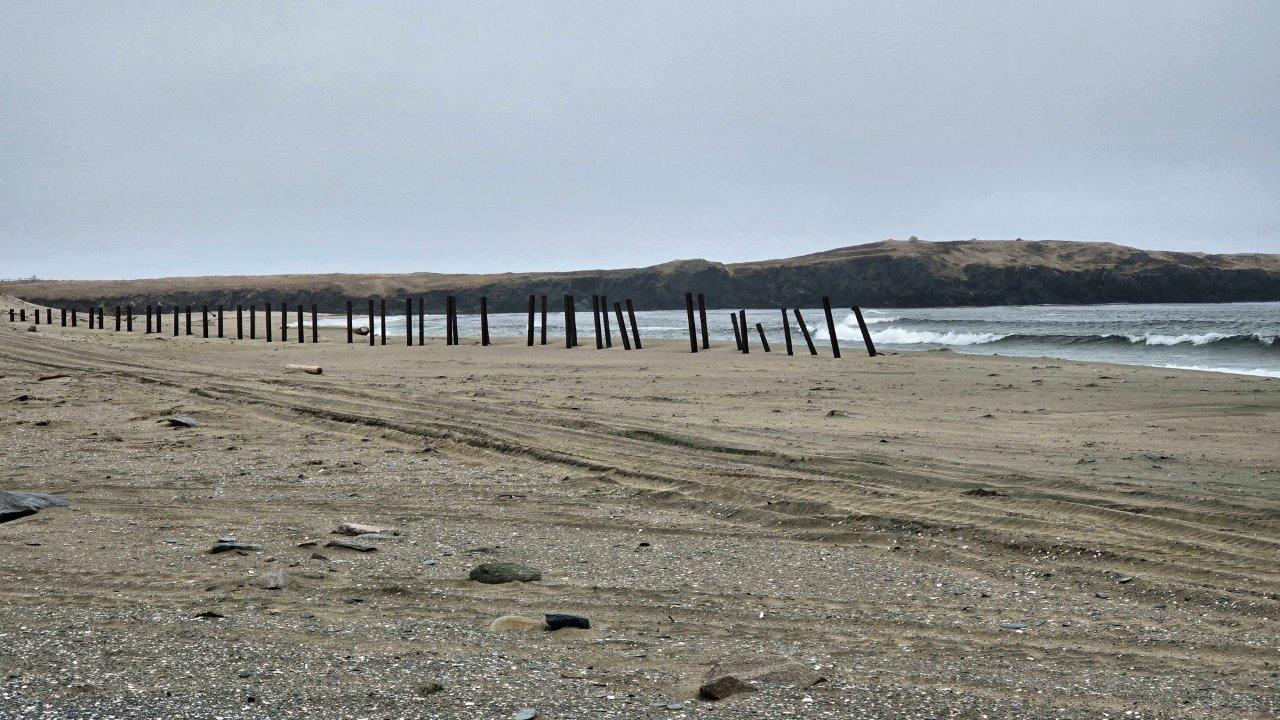
The J.T. Cheeseman Provincial Park provided us not only a pleasant and peaceful overnight stay at the provincial camping site (in addition, free of charge, as it will only start providing services from Victoria Day May 16) but also a short hike to the beach about 2 km away the next day, as well as to the waterfalls on the local river that flows into the Barachois River and which we had heard about but did not get to directly. However, we were happy to be there. More photos of J.T.Cheeseman Provincial Campground and its surroundings.
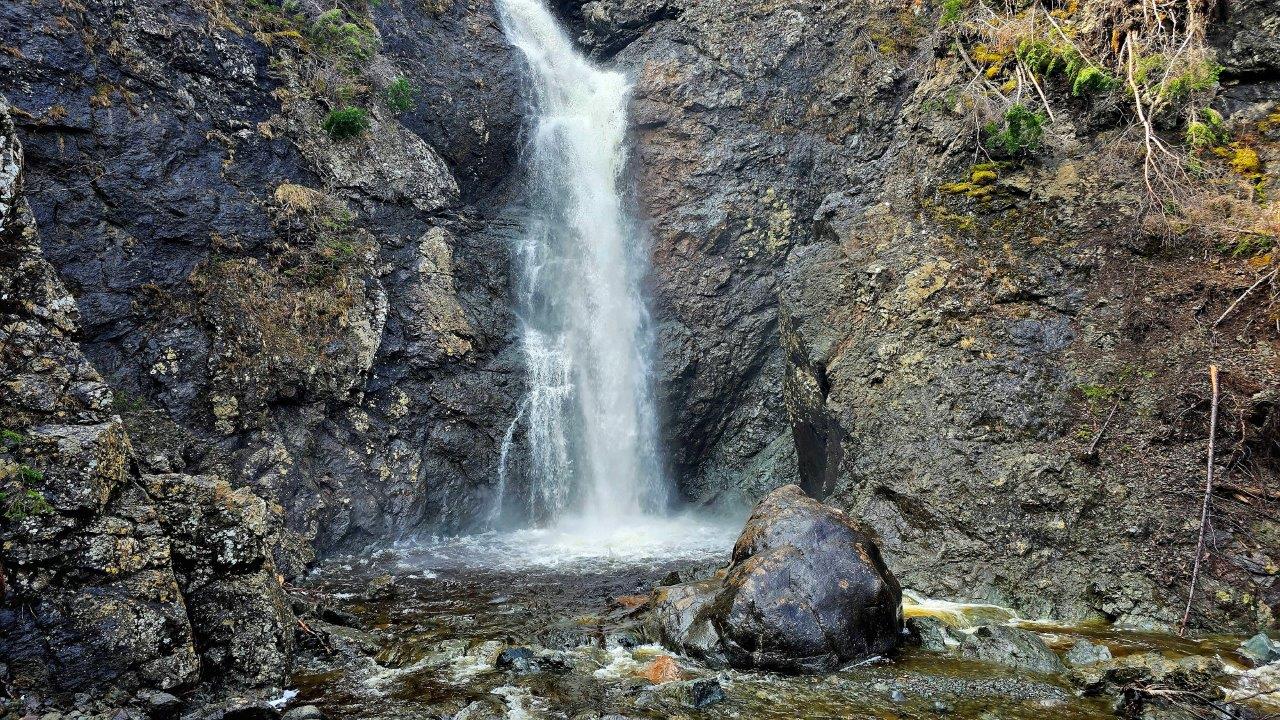
After the J.T. Provincial Park, we headed to the Blow Me Away Provincial Park because of the many trails on its territory. Unfortunately, the trails were not accessible at all. But thanks to this closed provincial park, we discovered a nice place to spend the night, and the next day, we did a short hike to the Coppermine waterfalls. The trailhead offered a large parking lot and a quiet, peaceful night.
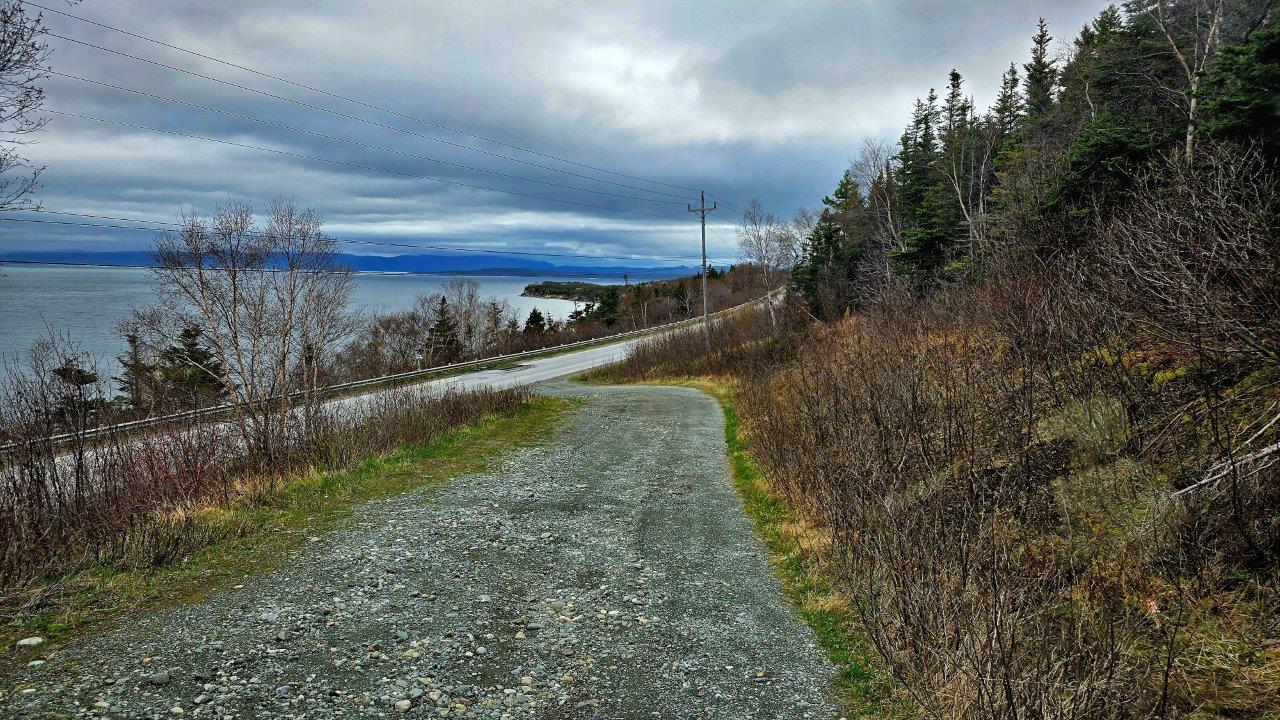
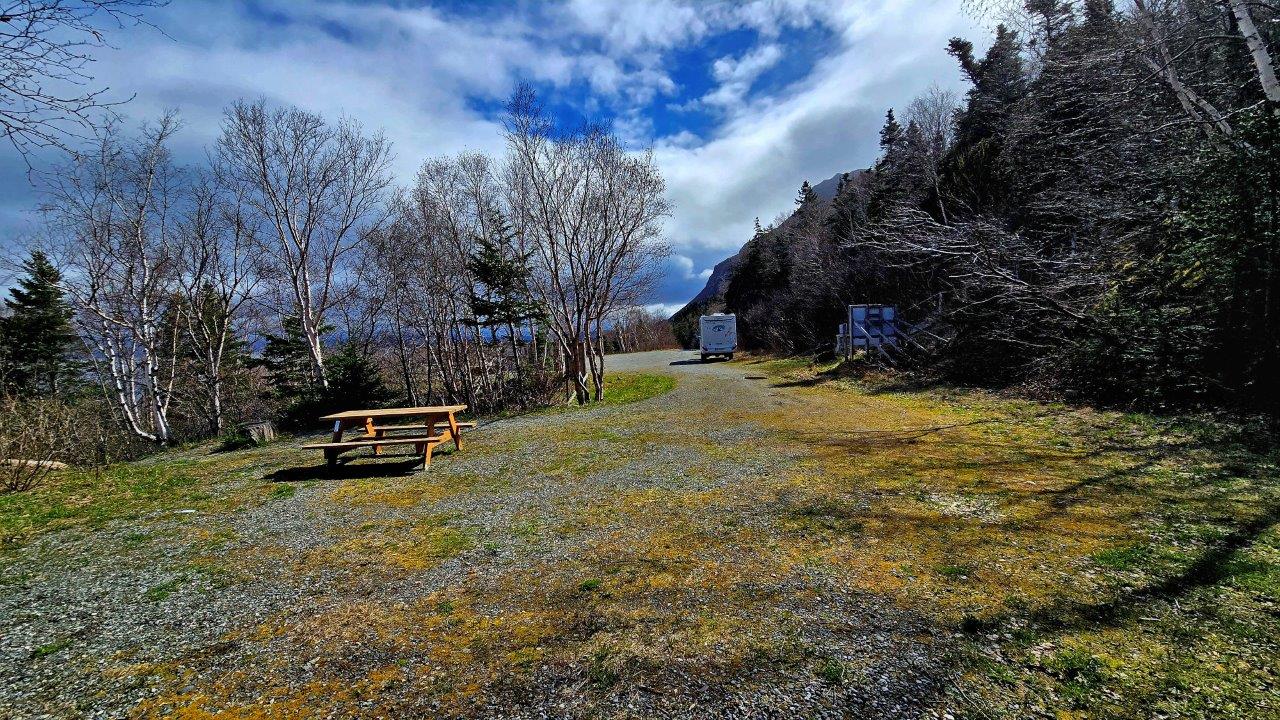
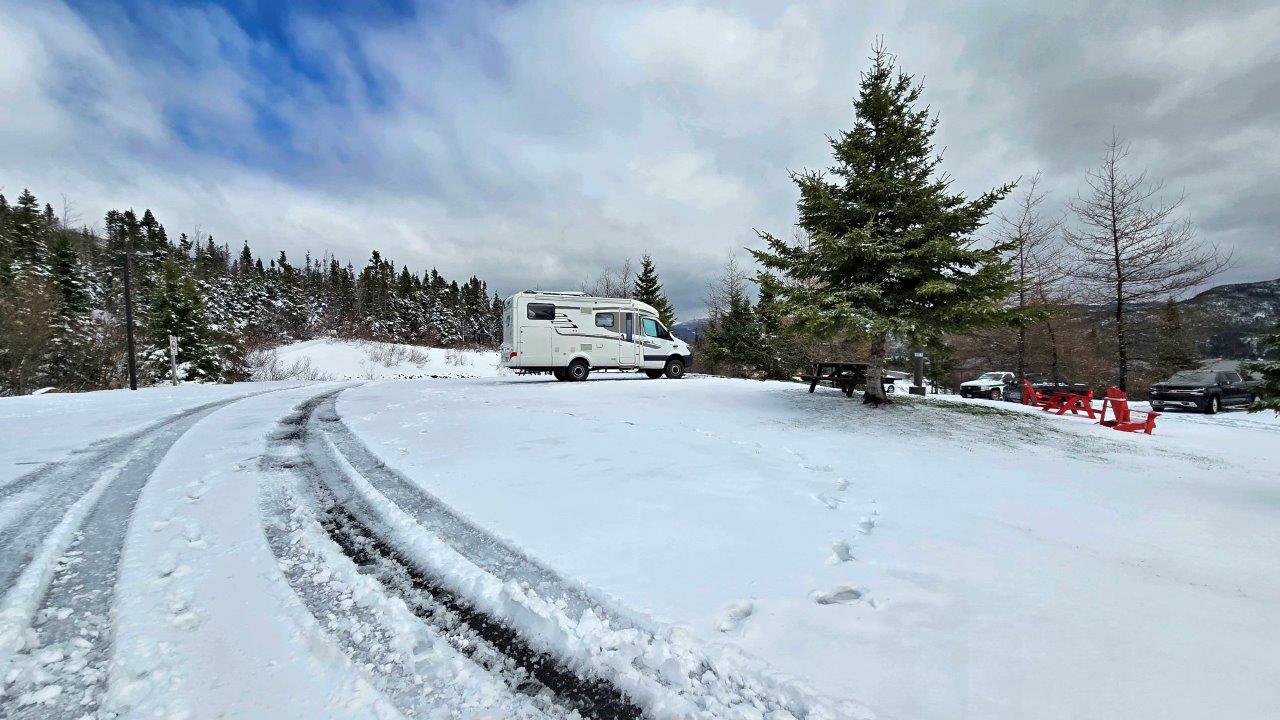
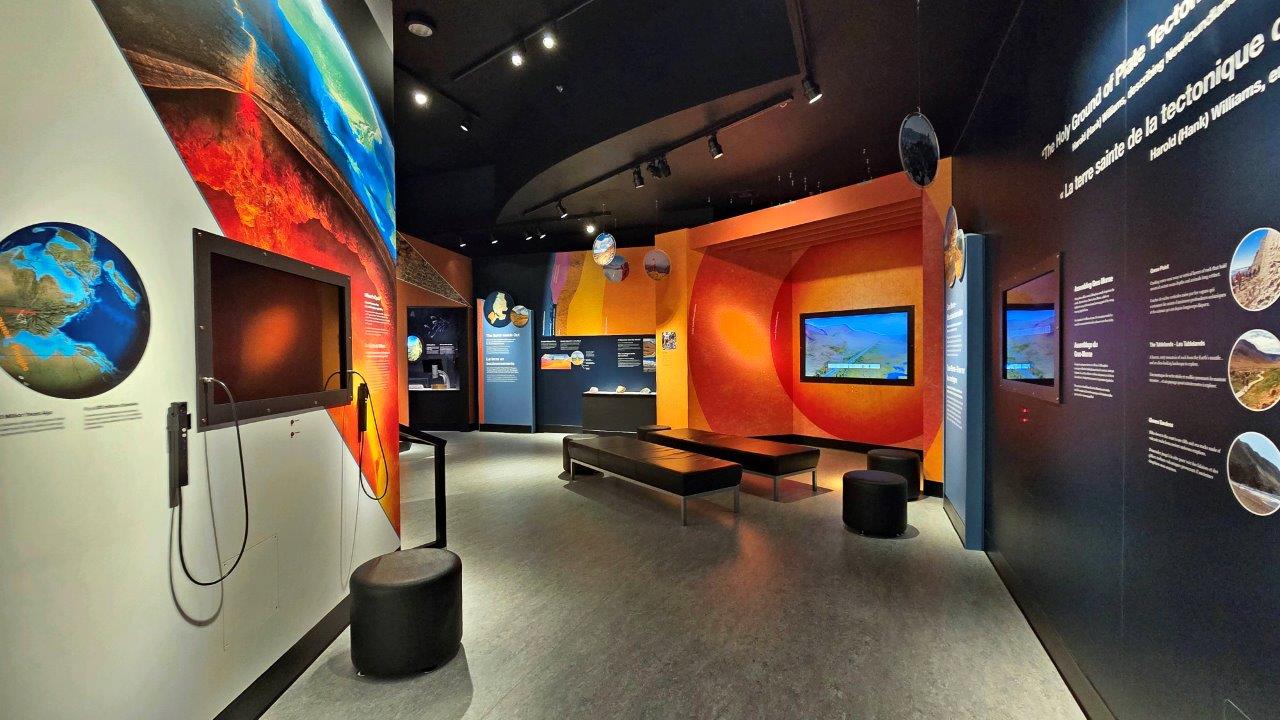
We were really looking forward to Gros Morne National Park. It is unique for its geology and mountain ranges, and it offers many beautiful hiking trails, lakes, bays, caves, and gorges. However, the weather forecast during our drive there did not bode well. And the reality was worse than we expected. We woke up to a snowy morning. But in the end, we were grateful even for this bad weather. Ranger Bruce invited us to the Discovery Centre, which was still closed for the season, and gave us a comprehensive introduction to the park, from its origins to geology and current attractions. The trails are currently covered in snow, so we decided to return to this beautiful area later, when the conditions are more summery. We believe and look forward to it.
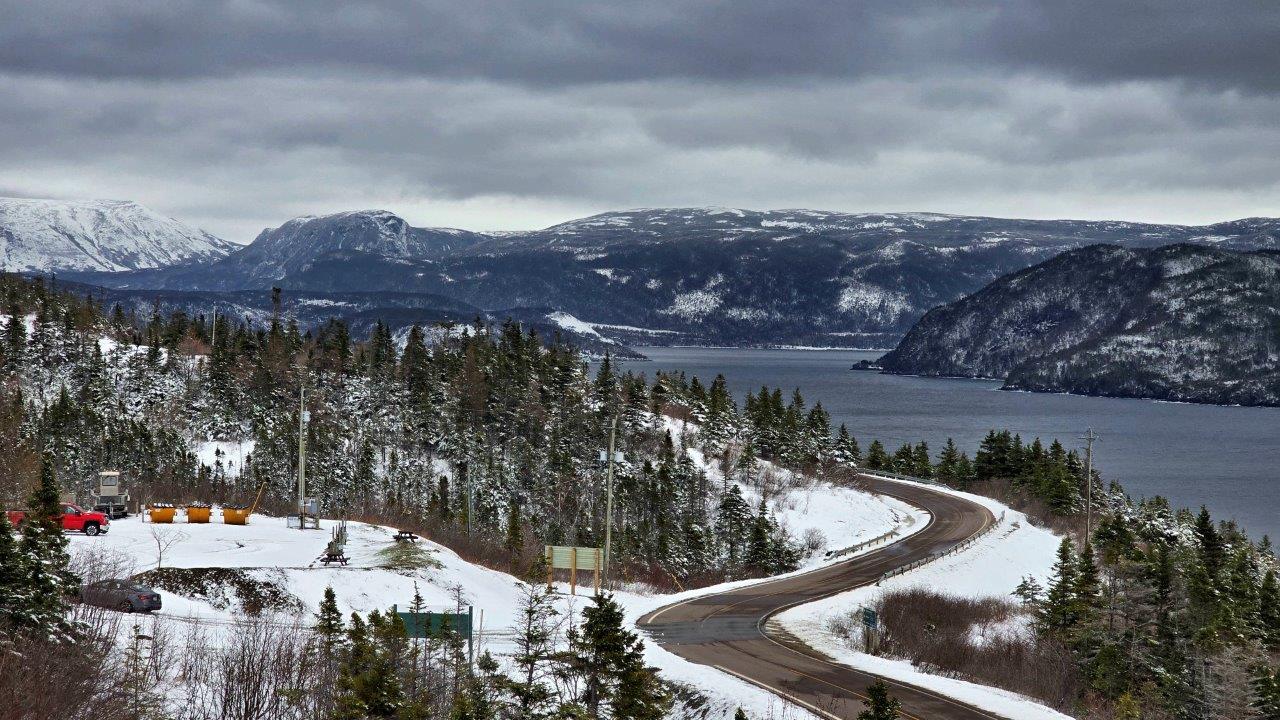
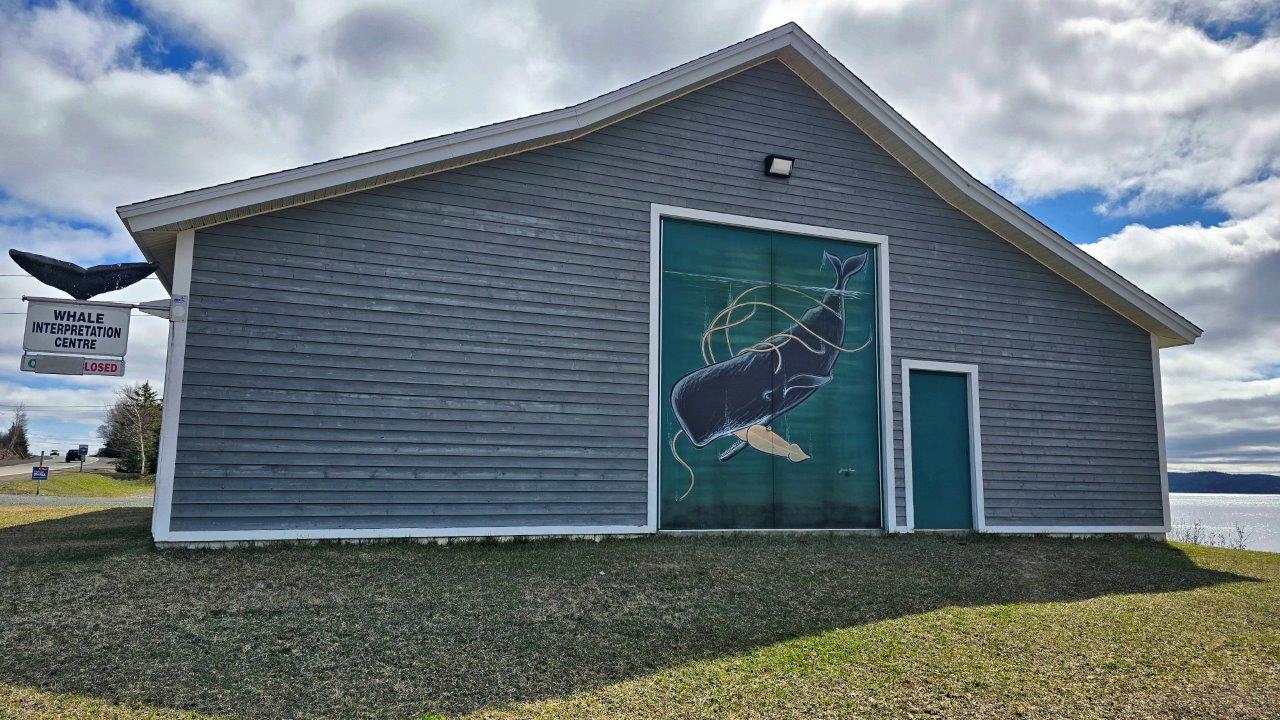
Having decided to come to Gros Morne National Park later, when the trails will be in more summery conditions, we clearly directed our navigation. The north and gulfs of the Labrador Sea, in which icebergs floating from Greenland appear in April and May. And so we have the last two weeks to see them. The first planned stop was Brighton; on the way there, we stopped at the Sperm Whale Pavilion in Triton. This place provides everything a traveler like us needs. Flat parking area, dump station, drinking water plus bonuses: a fantastic view of the bay, a tiny floating iceberg in the distance, which was later overtaken in attractiveness by the rising moon. The only negative was the road’s proximity, but even that got quieter after ten o’clock in the evening. The pavilion itself was closed in the off-season.
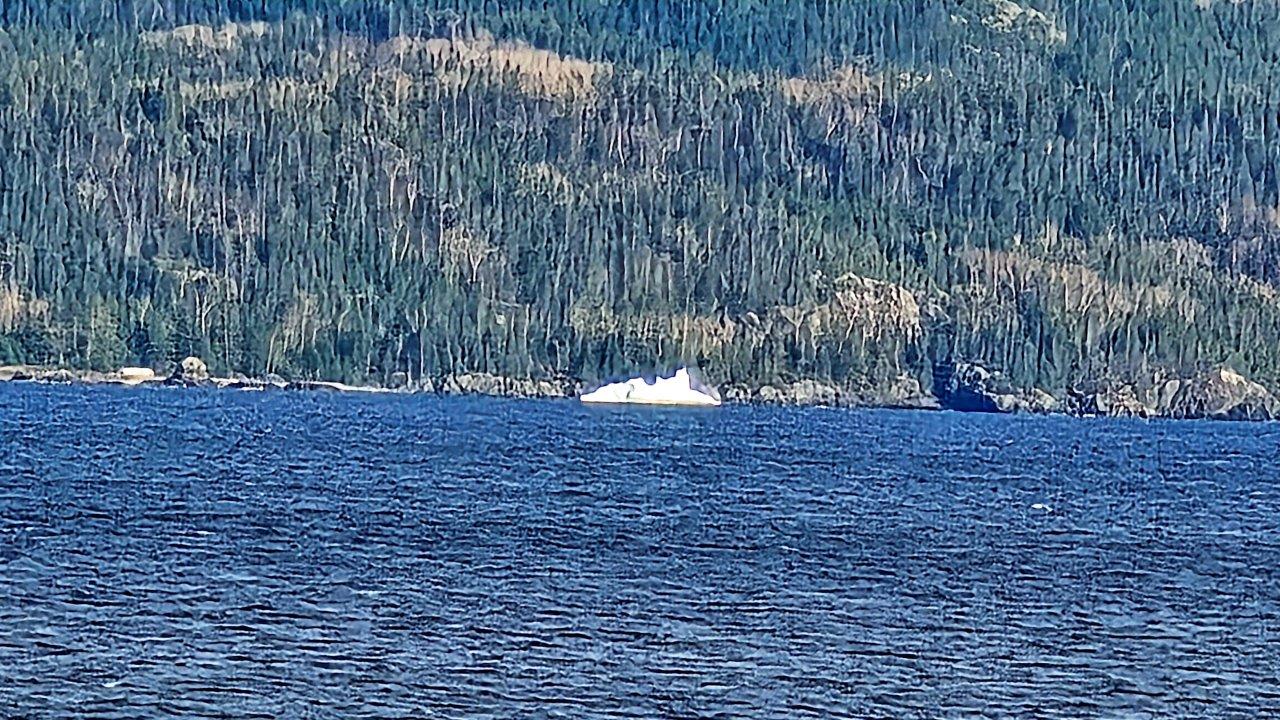
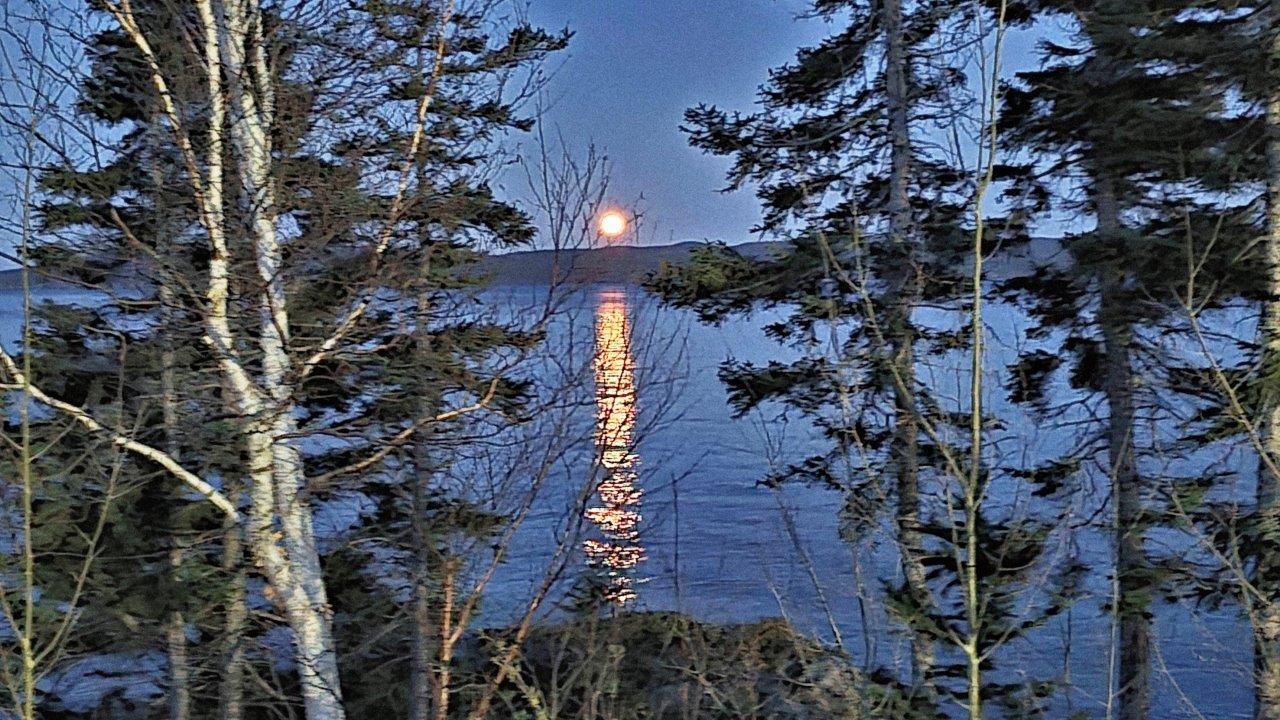
Brighton was the first town where we had the opportunity to see the iceberg both close up and from above.
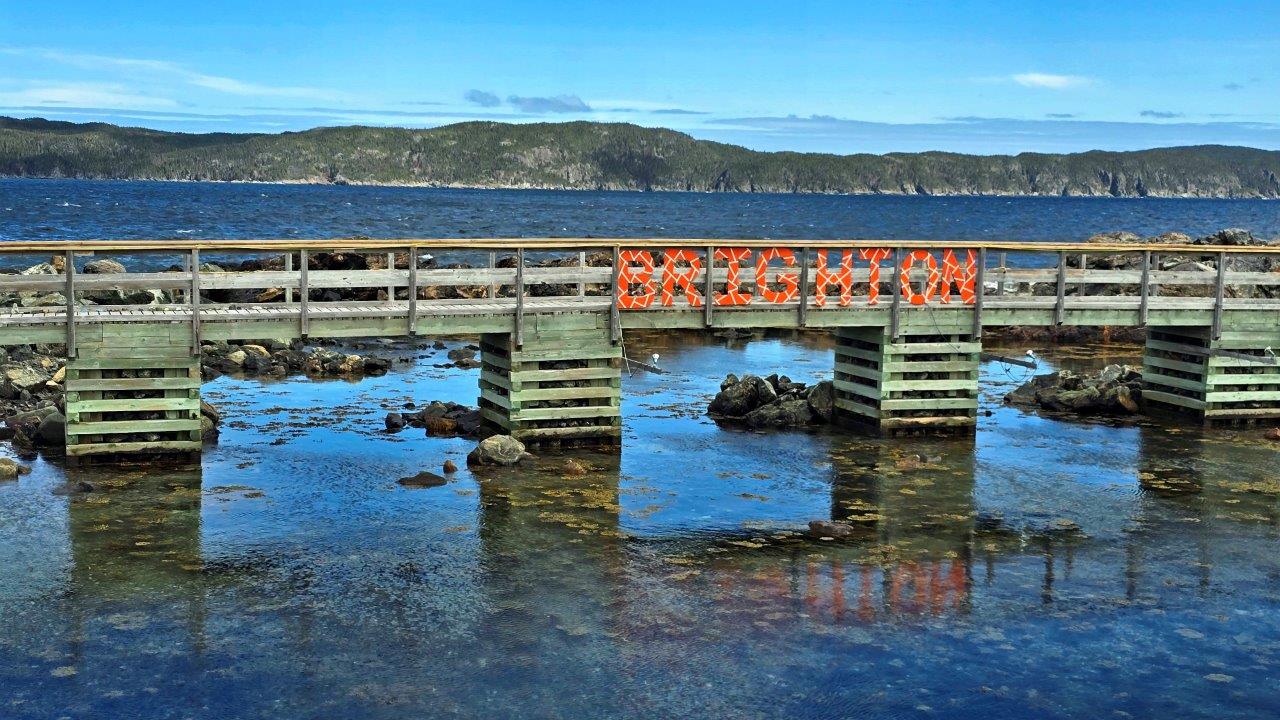
More photos of Brighton and the Nature Trail.
We would call the town of Twillingate the capital of iceberg hunters. But honestly, it was not originally on our route. However, in April, as information and photos started to appear on various portals, we also received a question from Canadians asking whether we were going to Twillingate, so we included it in the itinerary. And we didn’t regret it. It offered us several pleasant and unforgettable things. In addition to the icebergs themselves, there are also incredible views of the coast, a beautiful place in the vicinity of the lighthouse, a beautifully landscaped path to places with a view of the town and the glaciers ( called The Top of Twillingate), but also a peaceful and quiet overnight place near the museum. A traveler cannot ask for more.
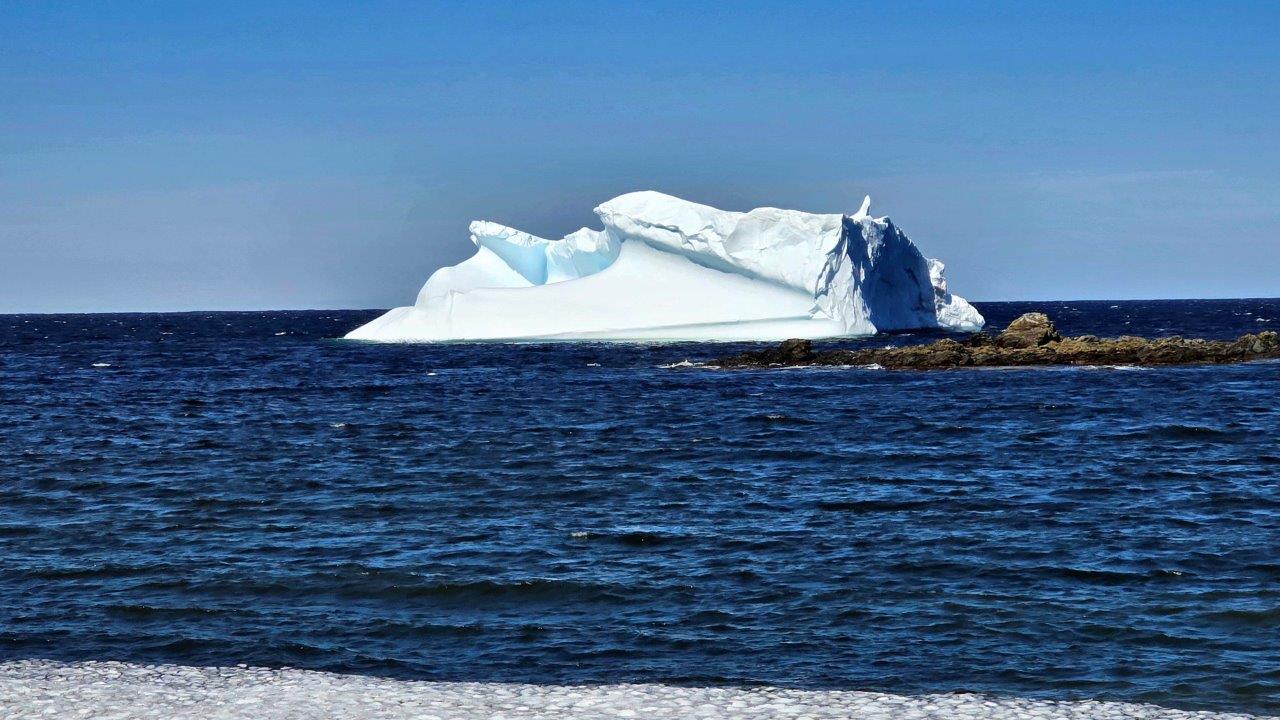
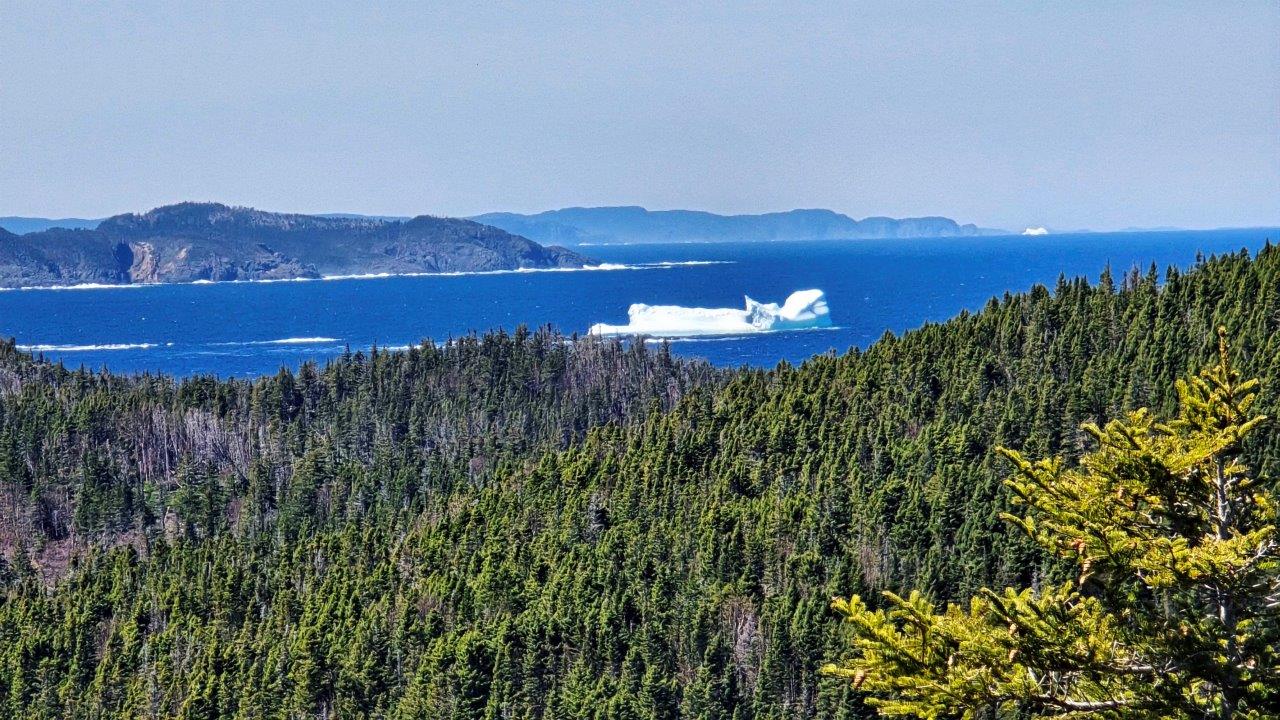
More photos from Twillingate and its surroundings, including the trail Top of the Twillingate.
On the way back from Twillingate, we stopped at the tiny Green Cove. And we enjoyed the short trail to the viewpoint. We were not at all surprised to be alone. In addition, we are looking for such places.
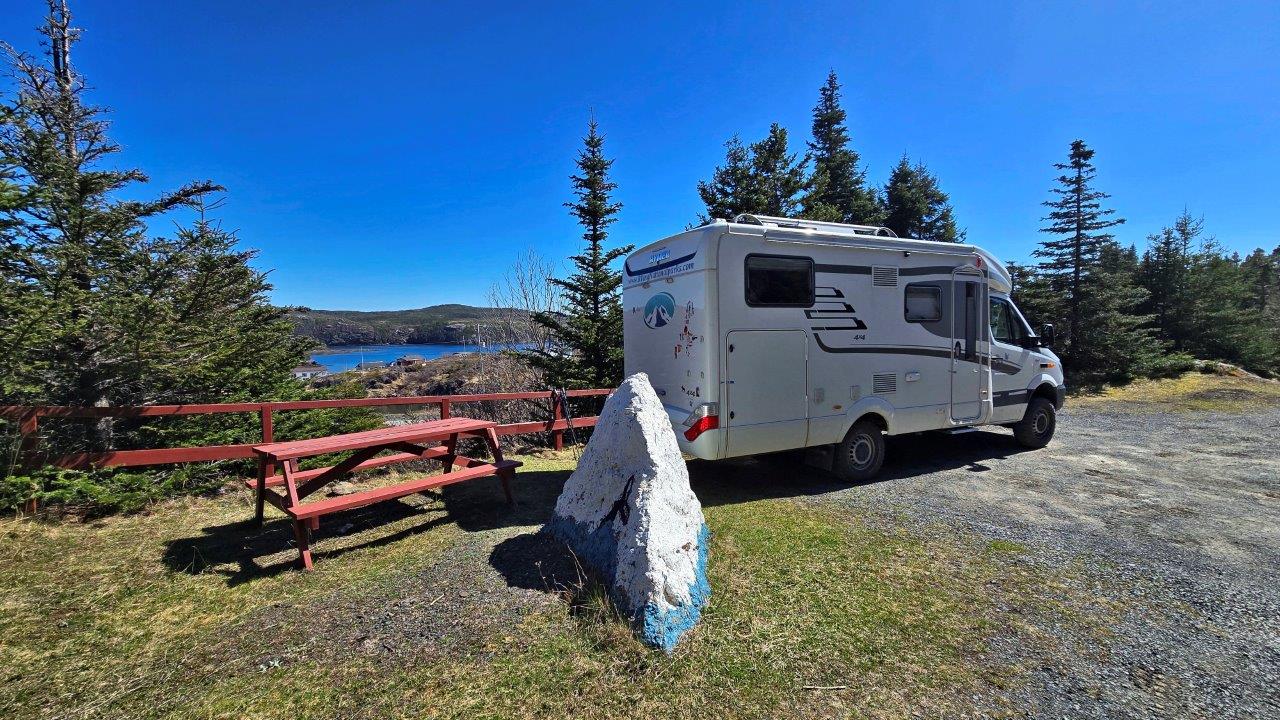
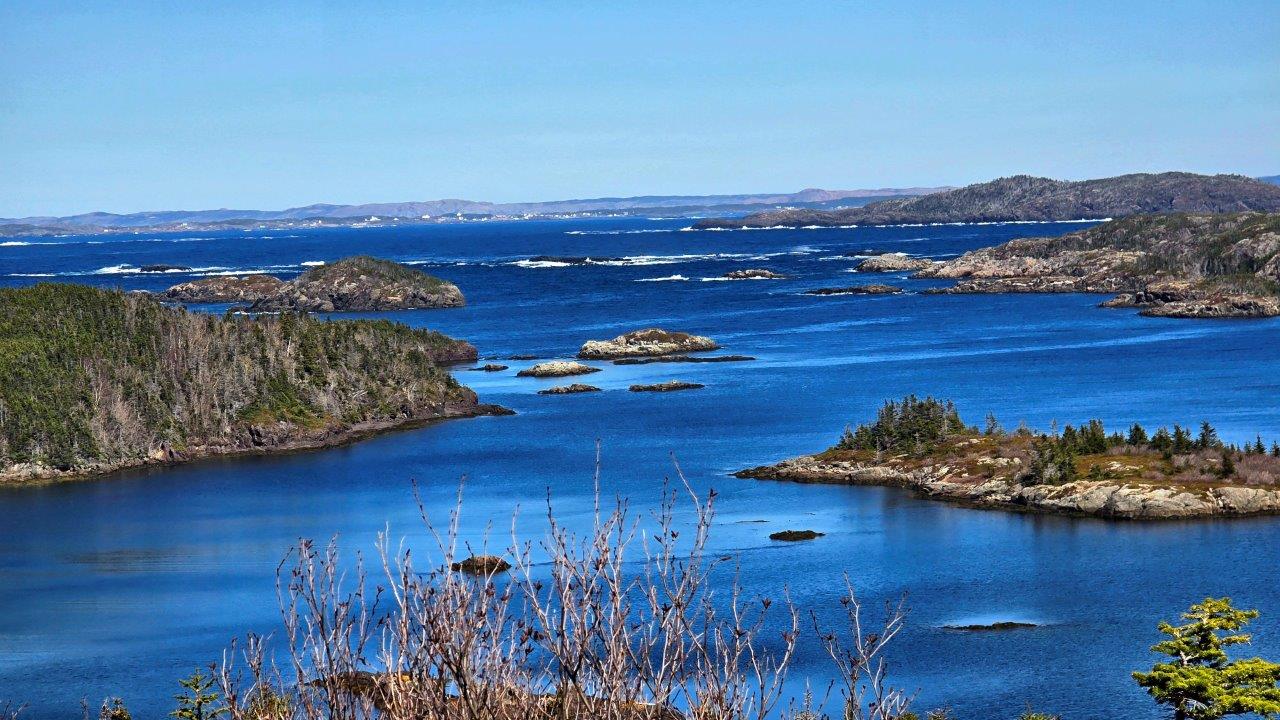
More photos of Green Cove Trail.
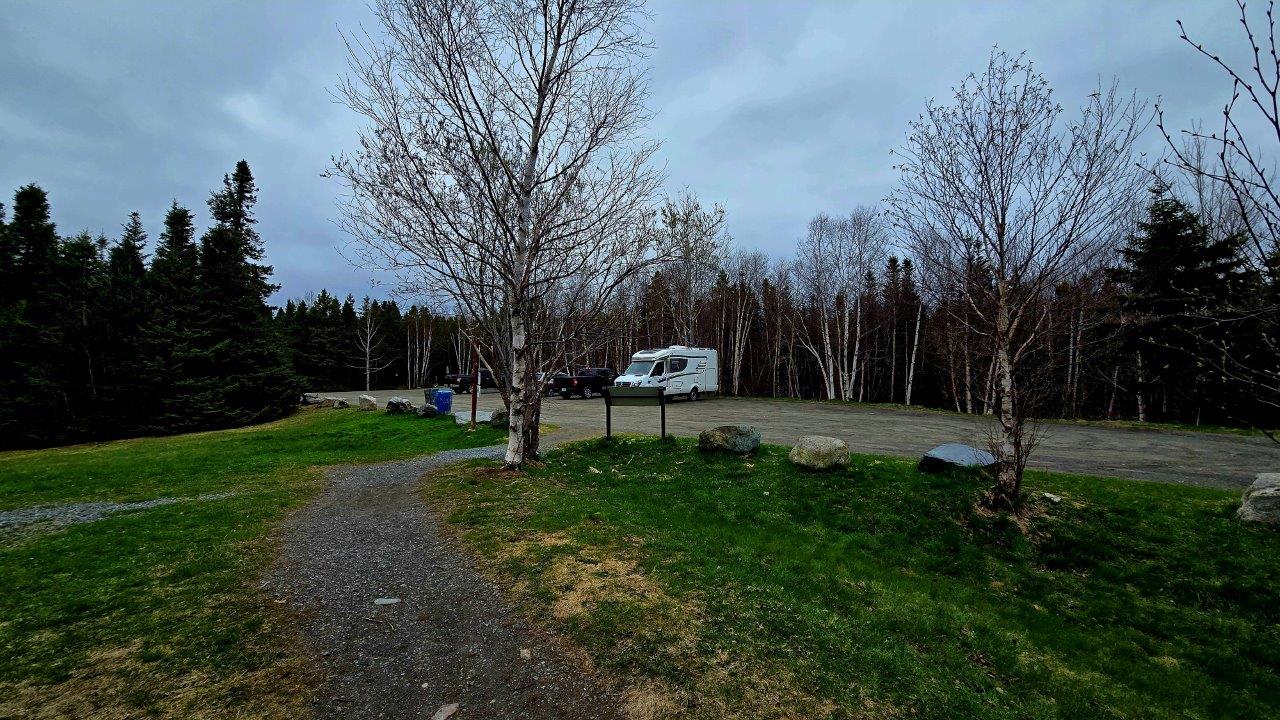
The Thomas Howe Forest Interpretation Centre offered us not only a peaceful, well-organized place to spend the night but also access to trails in the local forests, which are dominated by three tree species: Black Spruce, White Birch, and Balsam Fir. From the info boards, we learned a lot about how they maintain the local forests in a form that will be useful for future generations. The residents of Gander, where we previously shopped, use it for walks and dog-walking. For our cat Murko, this place was very tiring—watching the bunnies running around. More photos of Thomas Howe Forest IC.
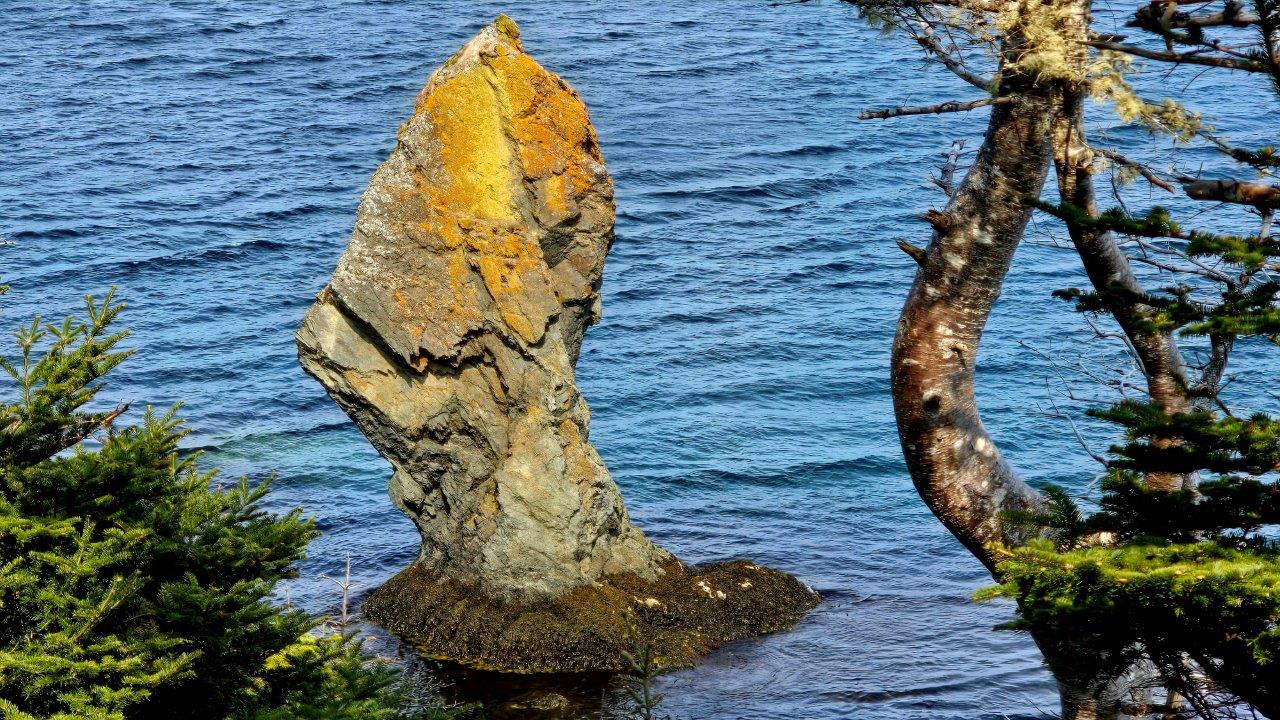
On our way to the Bonavista Peninsula, we couldn’t help but stop and walk a trail considered the most beautiful on the island of Newfoundland. It’s called Skerwink, and the circuit is just over 5km. The parking lot at the beginning of the trail is tiny, and we could barely squeeze into it. But it was worth it. It’s a fantastic trail. Excellently maintained. We recommend that all travelers in this area not leave it in the itinerary. More photos of Skerwink Trail.
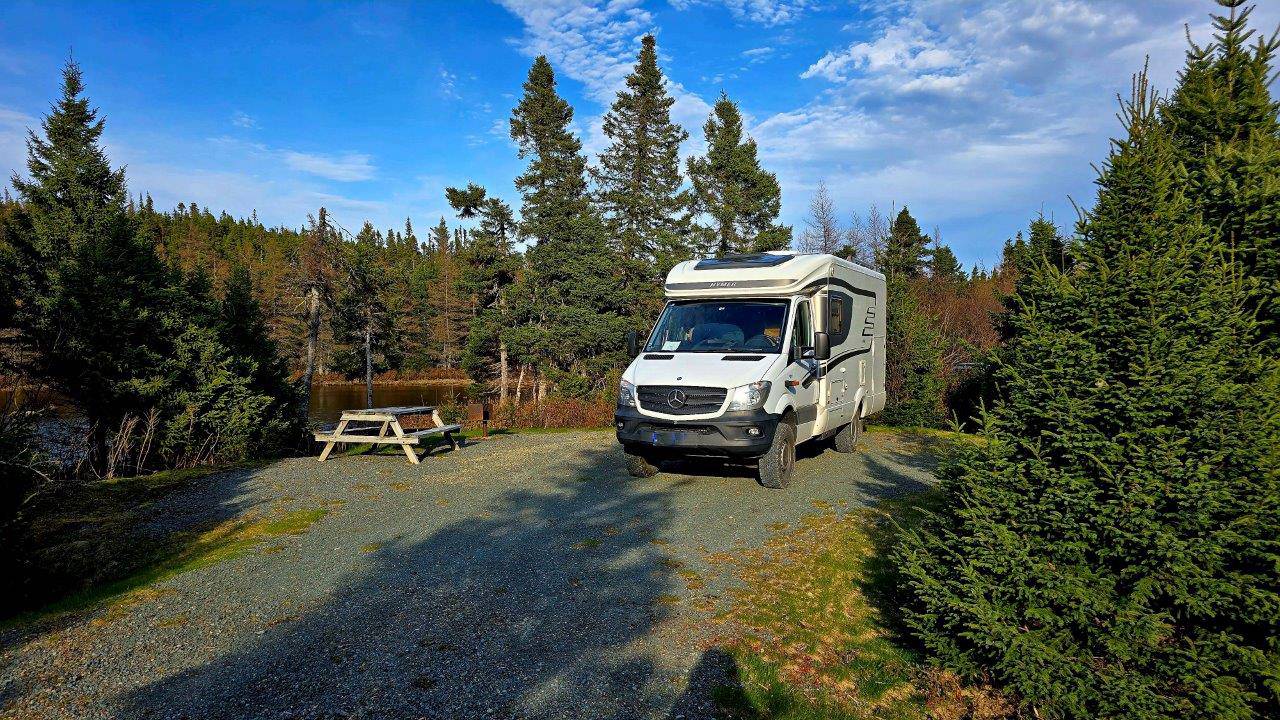
The provincial parks along the trails also offer campsites, but they are open seasonally, from the long weekend to the national holiday of Victoria Day. This year, it is a long weekend starting May 16. After crossing the Skerwink trail, we headed to the provincial park Lockston Path, which opened earlier on May 14. The beginning was slightly disturbing because it is located on a gravel road. However, gravel roads have an advantage over local asphalt roads. They are wide and almost without potholes. We were delighted with the campsite. We don’t usually go camping. But we would always go to such beautiful places with a water source right on the spot. Of course, there is a dumping station, toilets, showers, washing machine… and nearby lakes and hiking trails. Logically, a few local travelers have already checked in. More photos of Lockston Campground.
We are thrilled with the island of Newfoundland, especially its natural beauty, despite the cold and windy weather. And we can’t wait to see the other beautiful corners that await us. We are really looking forward to the places where the beautiful puffins nest.
May 2025