
After the southern part of Nova Scotia, we headed to the province of Prince Edward Island. The province is located on the island of the same name. The island’s leading destination was the national park of the same name.
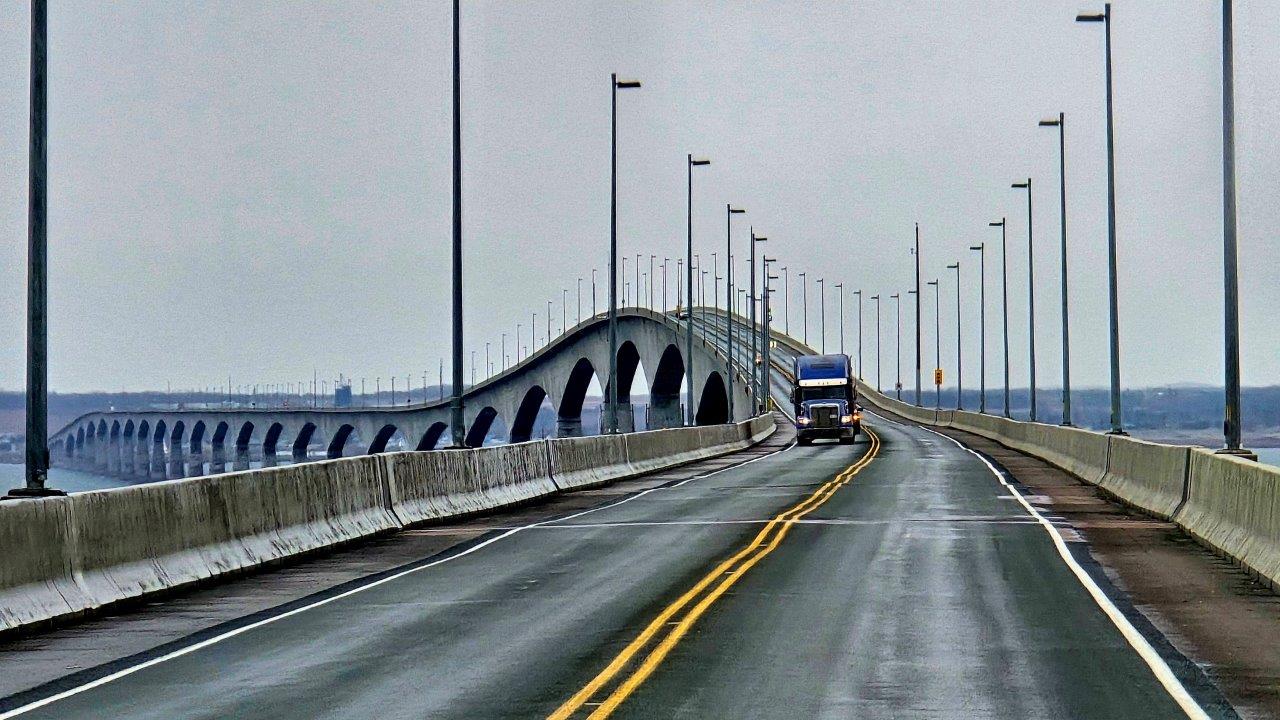
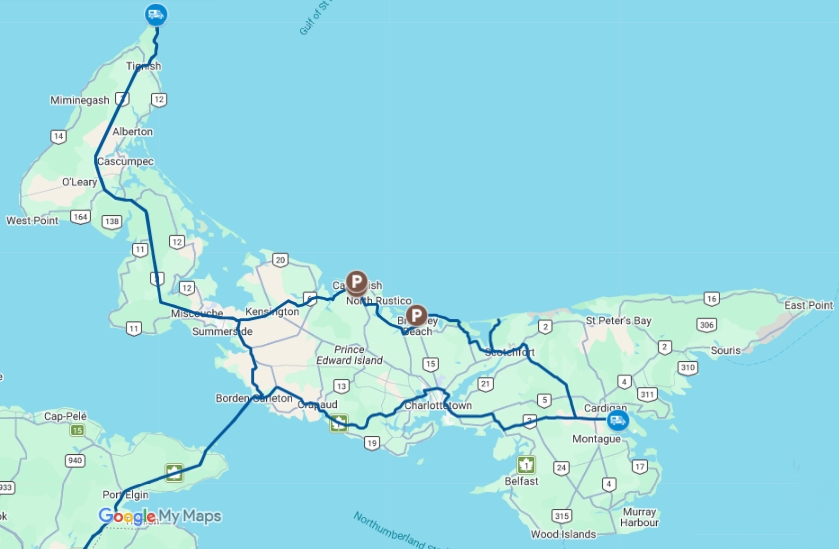
To cross to the island, we used the Confederation Bridge on the Trans-Canada Highway, which connects the provinces of New Brunswick and Prince Edward Island. The bridge was put into operation in 1997 and is the longest bridge in Canada at 12.9 km. The other connection to the island is a ferry at the opposite end, which links it to Nova Scotia. Interestingly, visitors to the island always pay only for the return trip. Either the bridge fee, which is 50.25 CAD for a 2-axle vehicle, or the ferry price, which depends on the dimensions of the vehicle, which in our case means a cost of 135 CAD. Since we travel with two cats who stay in the car during the ferry ride, we always prefer to travel by road. So we also used the bridge to return from the island.
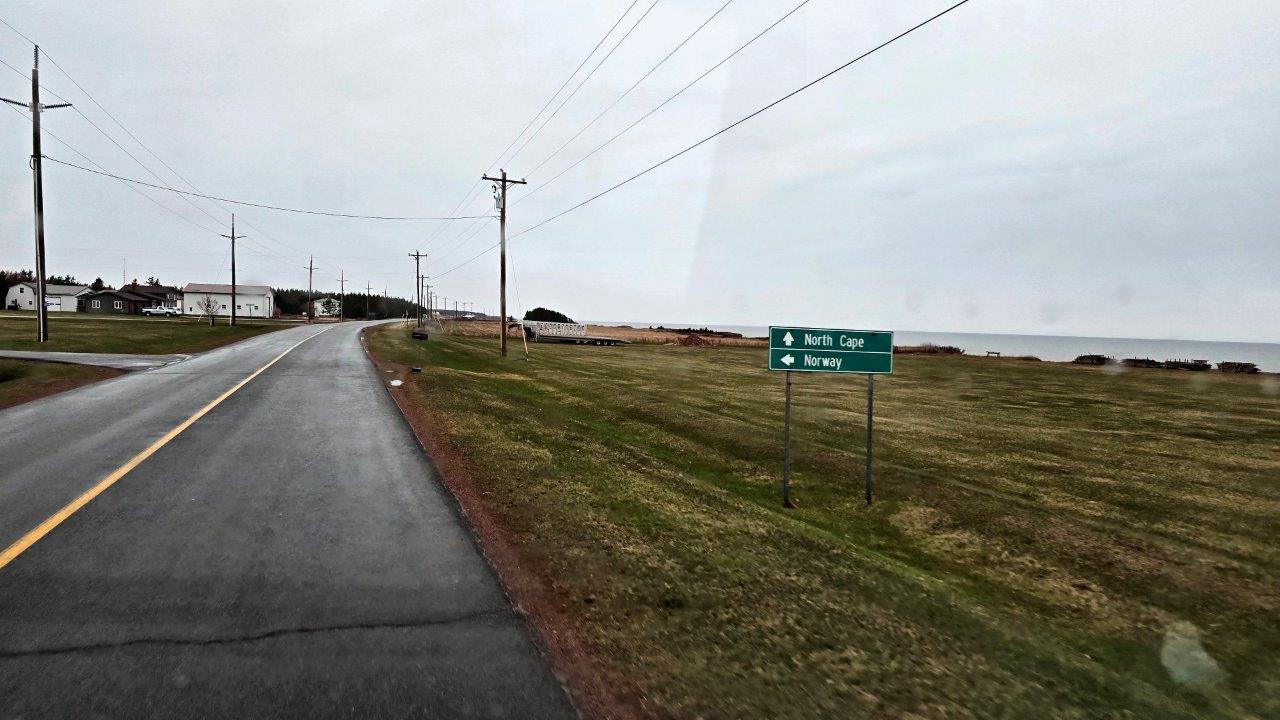
In August 2024, we visited the northern cape of Norway. Today we arrived at the north cape of the province of Prince Edward Island. The wind is the same, up to 80 km/h in gusts. Everything else is different. At the end is a visitor center, a restaurant, and a souvenir shop. Everything is closed seasonally. And also a still functioning lighthouse. The coast of the northern cape is different, however. The evening-long strip into the sea has disappeared due to the tide, and with it the seals that usually bask there. So we will look for the seals somewhere else. The night was quiet; the only disturbance was the nearby wind turbines, which made a monotonous sound.
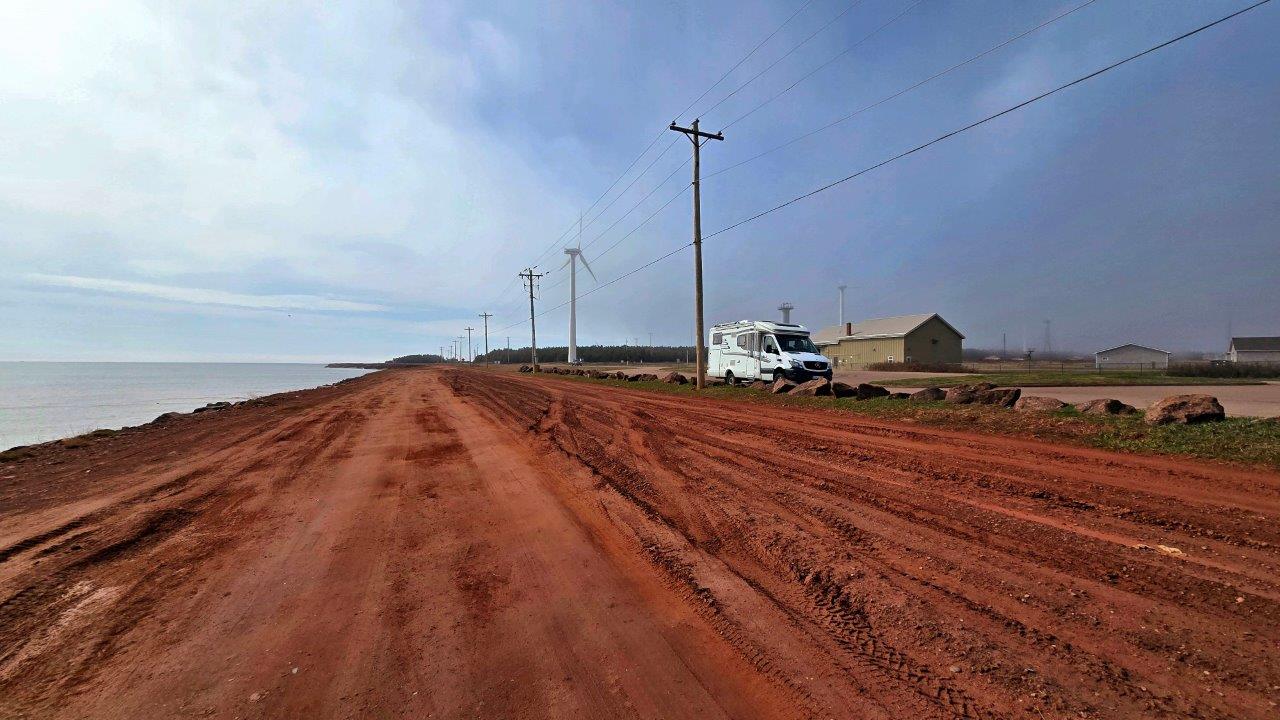
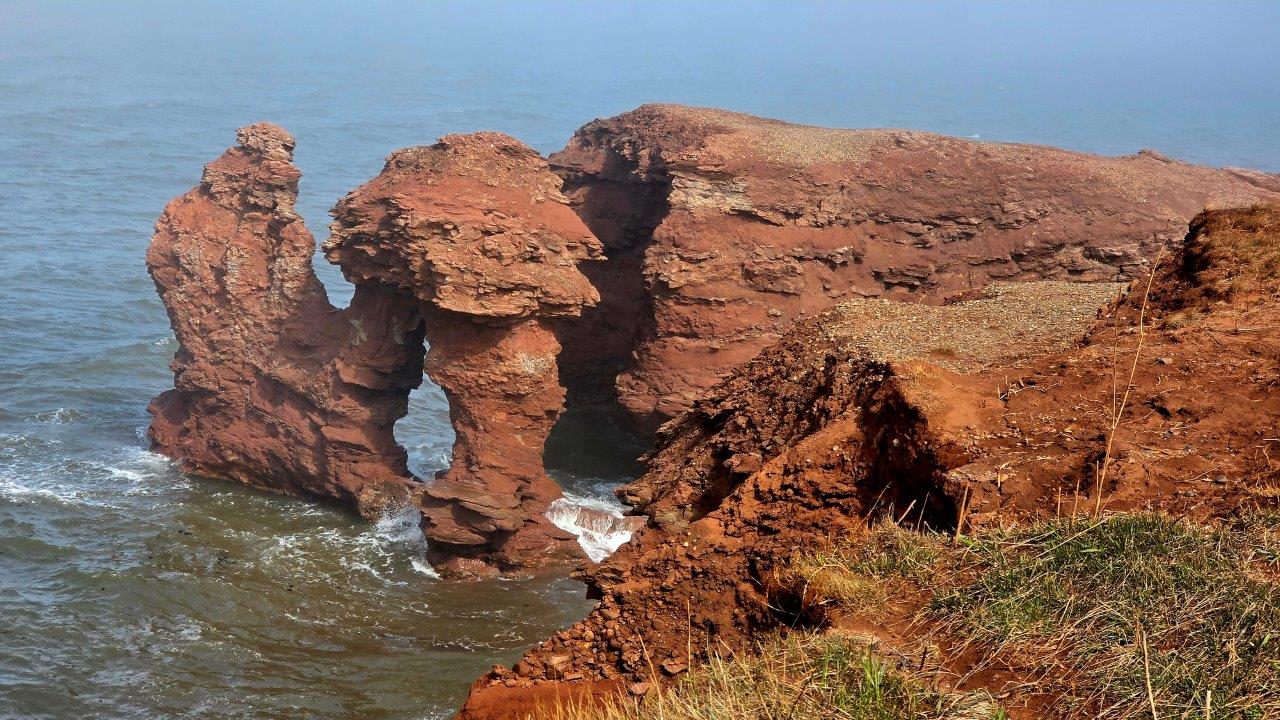
More photos of the North Cape.
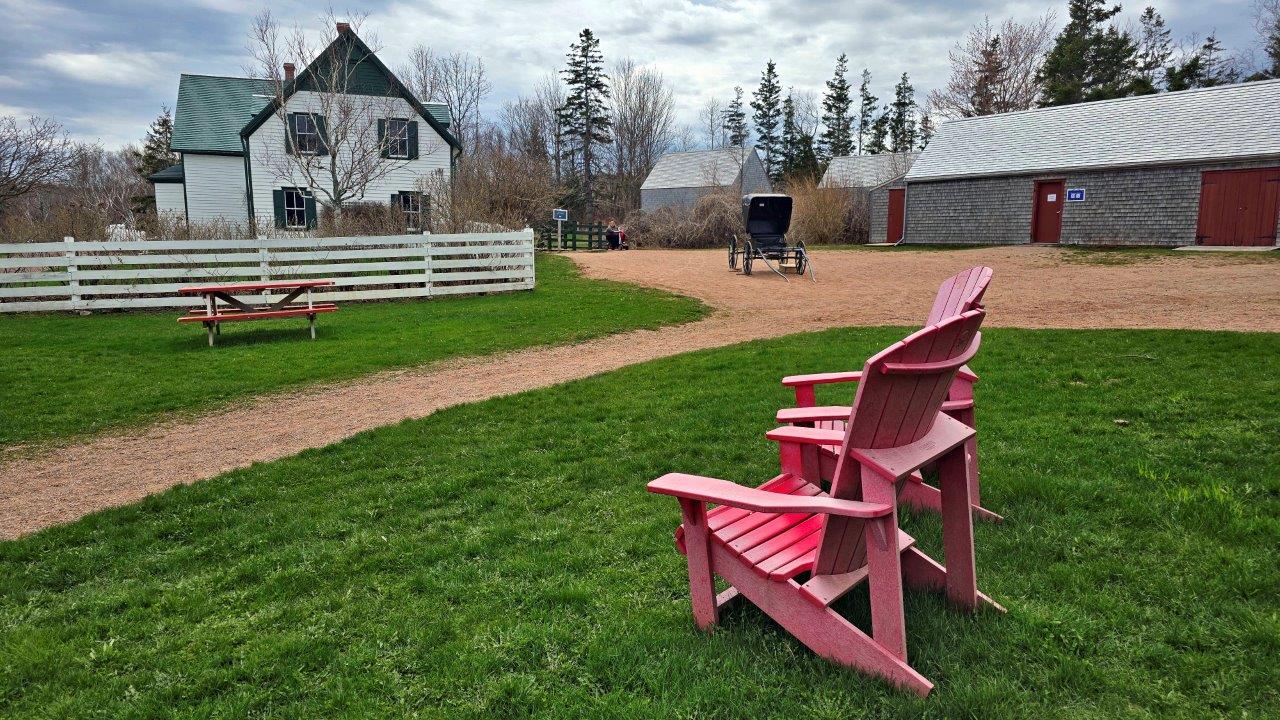
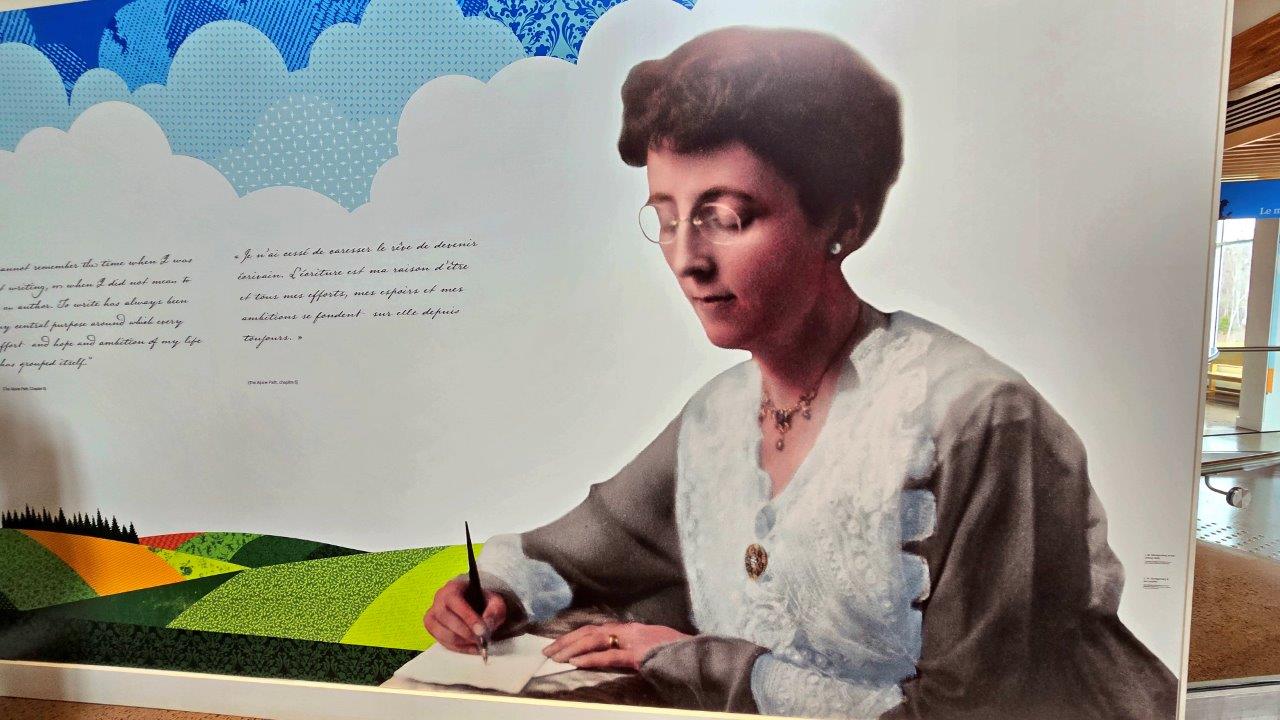
After spending the night on the northern cape of the island, we headed to Prince Edward Island National Park. It has several parts. The first part of our route is a historical site dedicated to the writer Montgomery, the author of the famous novel Anne of Green Gables and its sequels. The writer was born here, spent her childhood and youth here, and only after her marriage to a minister did she move to Toronto. The whole place is beautifully decorated—an extensive exhibition details the writer’s life, including period photos. The Green Gables itself is also a historical exhibition. There is a path leading from the house that the writer used to walk along as a nature lover. She found inspiration for her novels in nature. There is a typewriter on display here, with which the author wrote the final versions of her novels, as well as the covers of book editions in 40 countries. At this place, we first used our annual Discovery Pass to national parks and national historic sites. More photos here.
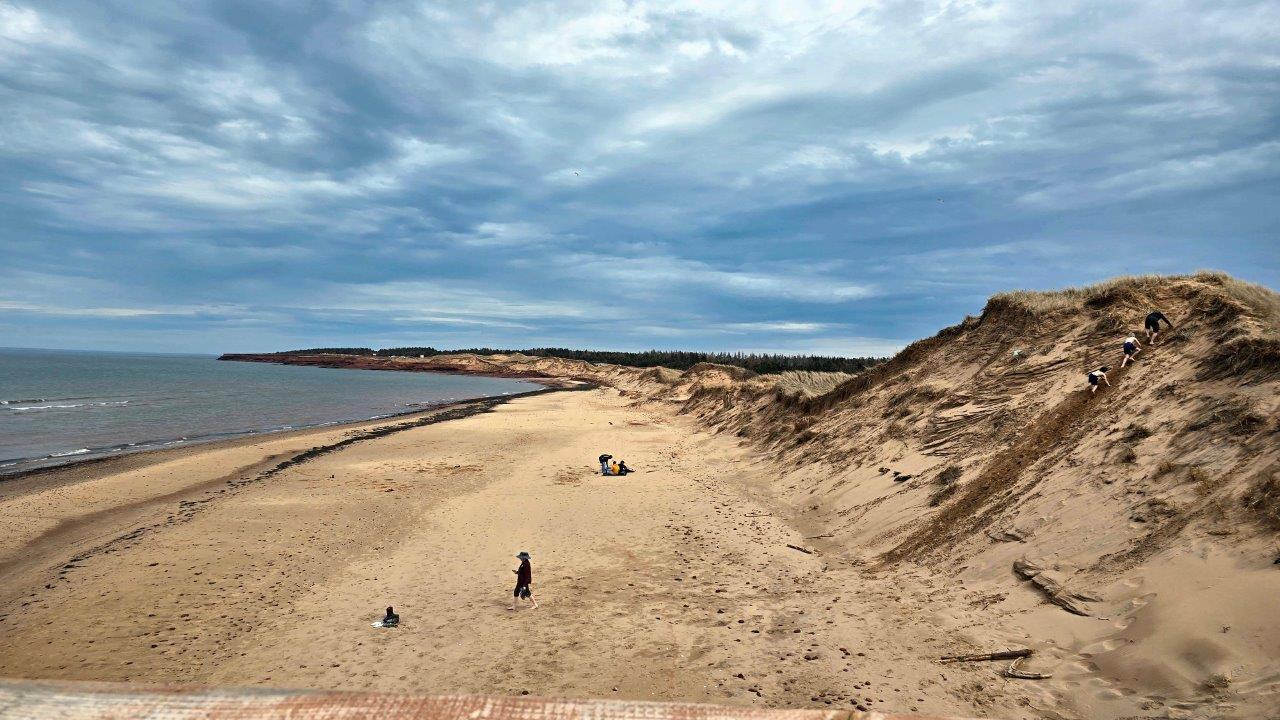
Prince Edward Island National Park has several coastal areas in addition to the historic site of Green Gables. We visited two of them. The first was called Oceanview and featured many pedestrian and cycling trails. We chose the trail leading to the dunes. The second was called Brackley Beach at the beginning of the Robinsons Island peninsula. Here, too, it was confirmed that the roads through the national park areas are of top quality and a pleasure to drive on, unlike other Canadian roads. More photos of the Prince Edward Island National Park.
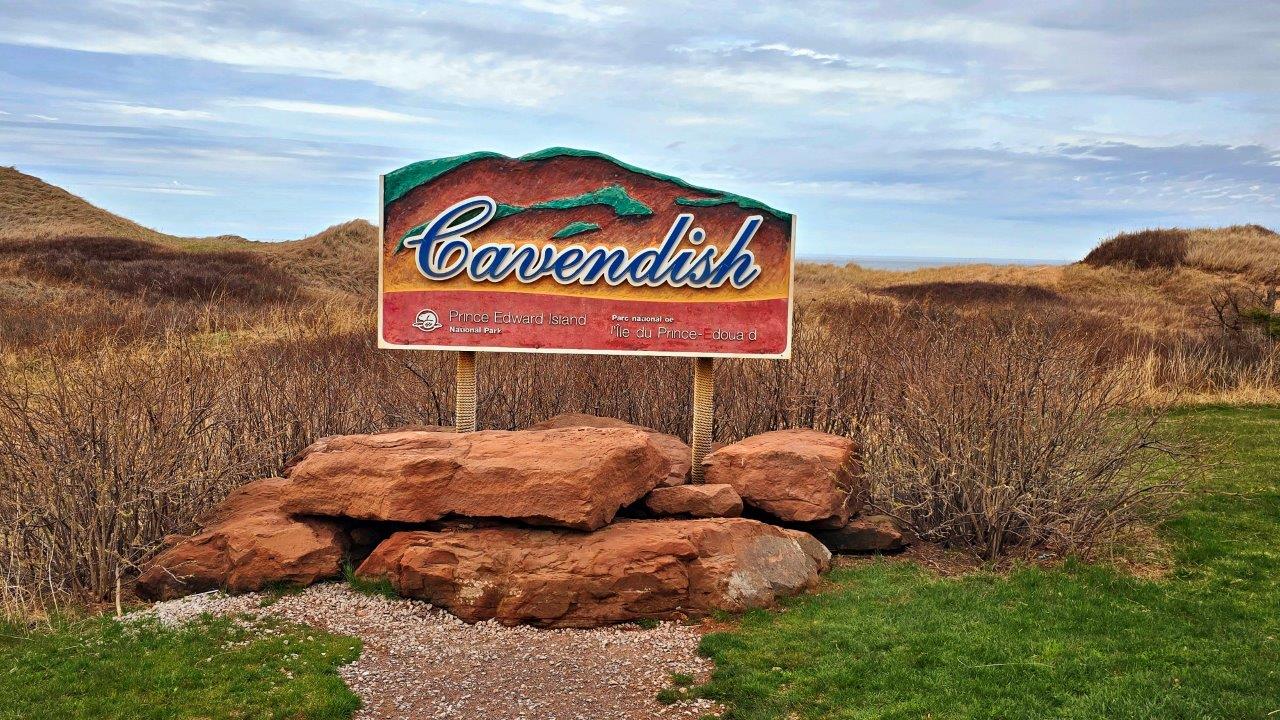
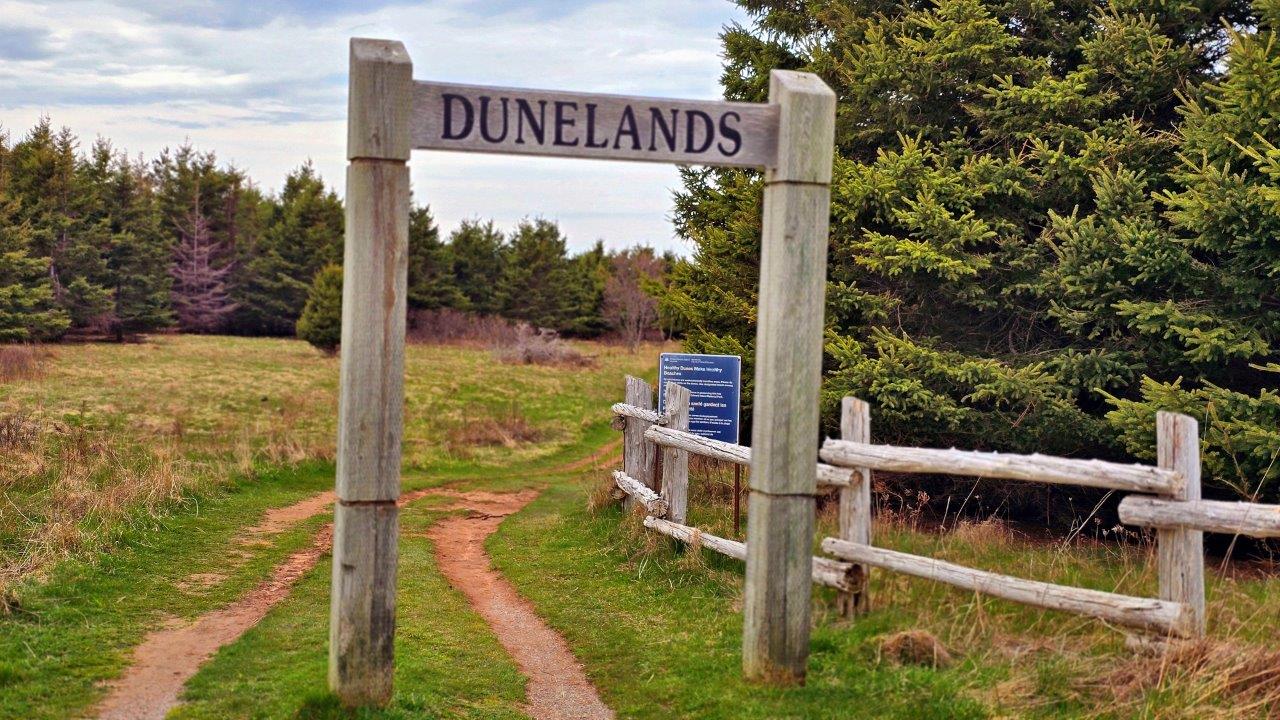
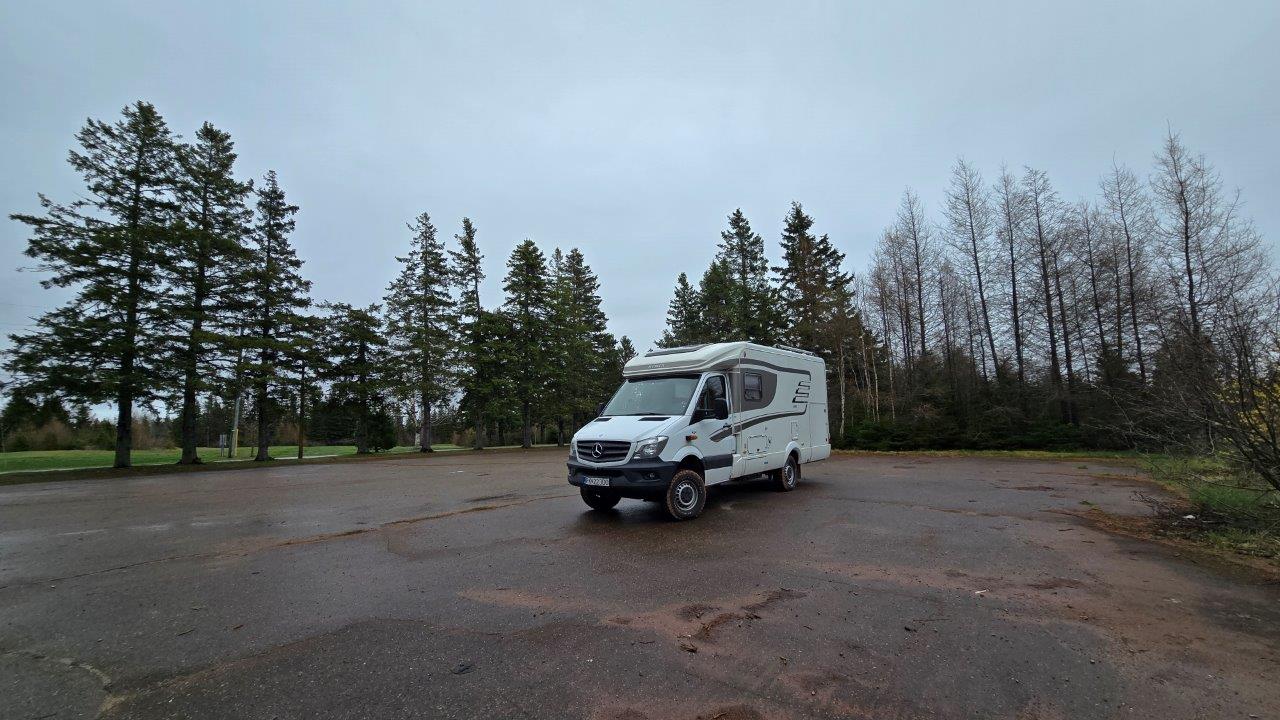
We used this place for our next overnight stay on the island. Although we originally planned to stay longer, the island itself did not particularly interest us for an extended stay, and the weather was not favorable for another stay. On the contrary, the next few days were to be spent in the northern part of Nova Scotia, where we subsequently set off from the island.
May 2025